Group 24 Vs 31 Battery: Which One Powers Your Ride Better?
Choosing the right battery for your vehicle can be confusing, especially when you come across options like Group 24 and Group 31 batteries. You might wonder which one fits your needs better, lasts longer, or delivers more power.
Getting this choice wrong could leave you stranded or spending more money than necessary. You’ll discover the key differences between Group 24 and Group 31 batteries, how each performs, and which one is the perfect match for your vehicle and lifestyle.
Keep reading to make an informed decision that keeps your engine running smoothly and your peace of mind intact.

Credit: okmotech.com
Battery Basics
Batteries power many vehicles and machines. Choosing the right battery is important. Group 24 and Group 31 are popular sizes used in vehicles. Each has unique features and uses.
Understanding these battery groups helps you pick the best option. It also ensures your vehicle runs smoothly and starts easily.
What Are Group 24 And 31 Batteries
Group 24 and Group 31 batteries differ in size and power. Group 24 batteries are smaller and lighter. Group 31 batteries are bigger and heavier. They hold more power and last longer.
Both use lead-acid technology. They provide the energy needed to start engines. Their size and capacity define where they fit best.
Common Uses In Vehicles
Group 24 batteries fit mid-size cars and small trucks. They balance power and size well. Group 31 batteries suit larger trucks and heavy equipment. Their bigger size supports high power needs.
Choosing the right battery depends on vehicle size and engine type. Using the correct group ensures proper fit and performance.
Size And Capacity
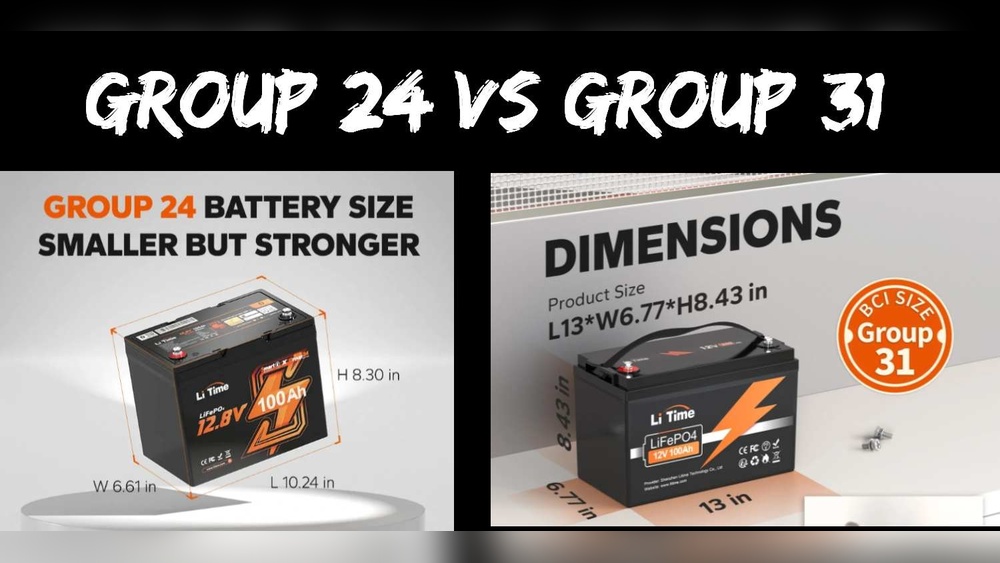
Understanding the size and capacity of Group 24 and Group 31 batteries helps in choosing the right one. These batteries differ in physical size and power storage. Size affects where you can install the battery. Capacity determines how long the battery will last under use.
Physical Dimensions
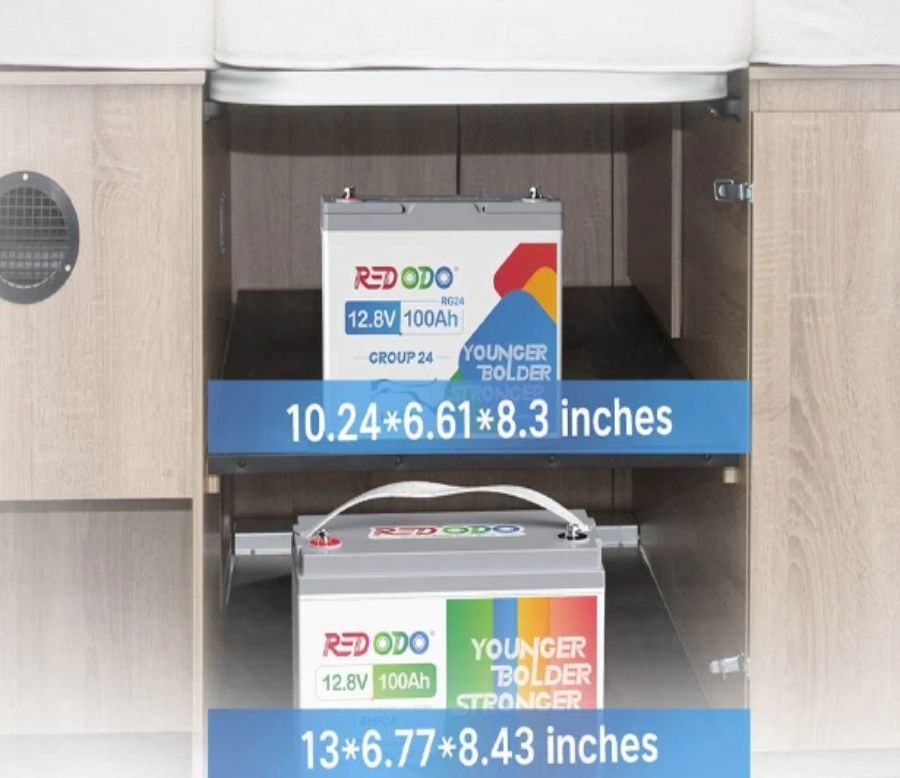
Group 24 batteries are smaller than Group 31 batteries. The typical size of a Group 24 battery is about 10 inches long, 6.8 inches wide, and 8.9 inches tall. Group 31 batteries usually measure around 13 inches long, 6.8 inches wide, and 9.4 inches tall.
The larger size of Group 31 means it takes up more space. This size difference is important for fitting in vehicles or equipment. Make sure to check your battery compartment before buying.
Amp Hour Ratings
Amp hour (Ah) rating shows how much energy a battery can store. Group 24 batteries often have an Ah rating between 70 and 85. Group 31 batteries generally have a higher rating, ranging from 90 to 105 Ah.
The higher the Ah rating, the longer the battery can power devices. Group 31 batteries last longer under heavy use. Choose a battery with the right capacity for your needs to avoid power loss.
Performance Comparison
Comparing the performance of Group 24 and Group 31 batteries helps you pick the right one. Both types power vehicles well but differ in strength and endurance. Understanding these differences ensures your vehicle gets the power it needs.
Cold Cranking Amps
Cold Cranking Amps (CCA) show how well a battery starts engines in cold weather. Group 31 batteries usually have higher CCA than Group 24. This means Group 31 performs better in freezing temperatures. If you live where winters are harsh, Group 31 offers more reliable starts.
Reserve Capacity
Reserve Capacity (RC) measures how long a battery can run without the engine. Group 24 batteries often have a good reserve but less than Group 31. Group 31 batteries last longer during power outages or engine failure. This makes Group 31 a better choice for longer backup power.

Credit: www.bravabatteries.com
Durability And Lifespan
Durability and lifespan are key factors for choosing between Group 24 and Group 31 batteries. Both types offer reliable power, but they differ in how long they last and how tough they are. Understanding these differences helps you pick the right battery for your needs.
Cycle Life
Cycle life means how many times a battery can be charged and discharged. Group 31 batteries usually have a longer cycle life than Group 24. This means Group 31 lasts more charging cycles before its power drops. Group 24 batteries work well but may wear out faster with heavy use. For frequent use, Group 31 is often the better choice.
Maintenance Needs
Both batteries need care to last long. Group 24 batteries sometimes require more water checks and cleaning. Group 31 batteries often need less frequent maintenance. Proper care, like keeping terminals clean and charging correctly, extends battery life. Neglect can reduce how long either battery works well.
Compatibility With Vehicles
Choosing the right battery size is key for your vehicle’s performance. Group 24 and Group 31 batteries differ in size, power, and fit. Knowing how each fits various vehicles helps you avoid problems.
Battery compatibility depends on your car’s design and power needs. Using the wrong battery size can cause poor connections or damage. Let’s explore how Group 24 and Group 31 batteries match with different vehicles.
Fitting Different Models
Group 24 batteries are smaller and fit compact cars and some midsize trucks. Their dimensions suit vehicles with limited battery space.
Group 31 batteries are larger and fit heavy-duty trucks, SUVs, and commercial vehicles. They need more room under the hood.
Check your vehicle’s manual for recommended battery sizes. Swapping sizes may cause mounting issues or loose connections.
Power Requirements
Group 24 batteries offer moderate power, ideal for everyday driving and standard engines.
Group 31 batteries deliver higher power and longer life. They support larger engines and extra accessories.
Match battery power to your vehicle’s needs. Too little power reduces performance. Too much power may be unnecessary and costly.
Credit: www.redodopower.com
Cost And Value
The cost and value of Group 24 and Group 31 batteries matter a lot for buyers. Choosing the right battery affects your budget and how long the battery lasts. Both types have different prices and benefits. Understanding these differences helps you make a smart choice. Below, we explore price differences and long-term investment for these batteries.
Price Differences
Group 24 batteries usually cost less than Group 31 models. This is because Group 24 batteries are smaller and hold less power. Group 31 batteries are bigger and have more capacity, so they cost more. The price gap can be significant depending on the brand and quality. Knowing these price points helps you plan your purchase better.
Long-term Investment
Group 31 batteries may cost more upfront but last longer. Their higher capacity means fewer replacements over time. Group 24 batteries are cheaper but may need replacing sooner. Spending more now can save money in the future. Think about how long you want the battery to work before buying.
Choosing The Right Battery
Choosing the right battery is important for your vehicle’s performance. A good battery provides reliable power and lasts longer. Picking between Group 24 and Group 31 batteries depends on several factors. These include your vehicle type, power needs, and space available under the hood.
Knowing the differences helps you make a smart choice. This guide will help you understand what fits best for your ride.
Assessing Your Ride’s Needs
Check your vehicle’s manual for battery size recommendations. Group 24 batteries are smaller and fit compact cars. Group 31 batteries are larger and offer higher power. They work well for trucks and SUVs. Consider the engine size and extra electrical devices. More devices need a battery with higher capacity. Also, space under the hood matters. A larger battery may not fit in small compartments.
Expert Tips
Always match the battery’s cold cranking amps (CCA) to your vehicle’s needs. Higher CCA means better starting power in cold weather. Look for batteries with good reserve capacity. This keeps your vehicle running if the alternator fails. Check the battery’s warranty period for peace of mind. Keep terminals clean and tight for best performance. Replace the battery every 3 to 5 years to avoid unexpected failures.
Frequently Asked Questions
What Is The Main Difference Between Group 24 And 31 Batteries?
Group 24 batteries are smaller and lighter, ideal for compact vehicles. Group 31 batteries are larger with higher capacity, suited for heavy-duty use. The size, weight, and power output vary, affecting compatibility and performance depending on the vehicle’s requirements.
Which Battery Lasts Longer, Group 24 Or Group 31?
Group 31 batteries generally last longer due to their larger size and higher amp-hour rating. They provide more power reserve, supporting longer usage periods. However, lifespan depends on usage, maintenance, and environmental conditions, not just battery group size.
Can I Replace A Group 24 Battery With Group 31?
Replacing Group 24 with Group 31 is possible if the battery tray and terminals fit. Group 31 is bigger, so check vehicle space and mounting compatibility. Incorrect size can cause installation issues and affect battery performance and safety.
Which Battery Is Better For Trucks, Group 24 Or 31?
Group 31 batteries are better for trucks because they deliver higher power and capacity. Trucks require robust batteries for heavy loads and extended use. Group 24 may suffice for smaller vehicles but lacks the power needed for larger trucks.
Conclusion
Choosing between Group 24 and 31 batteries depends on your vehicle’s needs. Group 24 fits smaller vehicles with less power demand. Group 31 suits larger vehicles needing more energy and longer life. Both types offer reliable performance if matched correctly.
Check your owner’s manual before buying. Proper battery care helps extend its life. Pick the right size to keep your vehicle running smoothly. Simple steps make a big difference in battery performance.