How is a Generac Generator Powered: Ultimate Guide
A Generac generator is powered by fuel. It can run on natural gas, propane, or diesel.
Generators are essential during power outages. They provide backup electricity to homes and businesses. Generac generators are popular because they are reliable and efficient. But how do these generators actually work? Understanding the power source of a Generac generator can help you make informed decisions.
In this blog post, we will explore the different fuel options and how they power Generac generators. This knowledge can help you choose the right generator for your needs.
Types Of Generac Generators
When choosing a Generac generator, understanding the different types is crucial. Each type has unique features that cater to various needs. Let’s explore the main types of Generac generators: portable and standby generators.
Portable Generators
Portable Generac generators are versatile and easy to transport. They are ideal for temporary power needs. You can use them during camping trips, tailgating, or short-term home use. Most portable generators run on gasoline. Some models also support propane for added convenience. These generators are user-friendly, with simple start mechanisms. You can quickly power essential appliances and tools with a portable generator.
Standby Generators
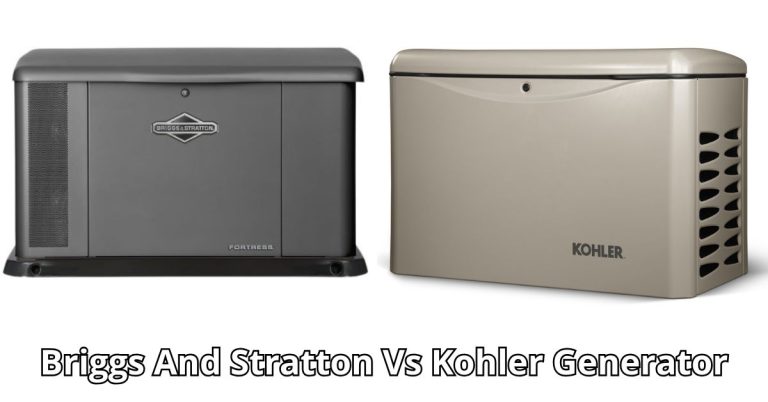
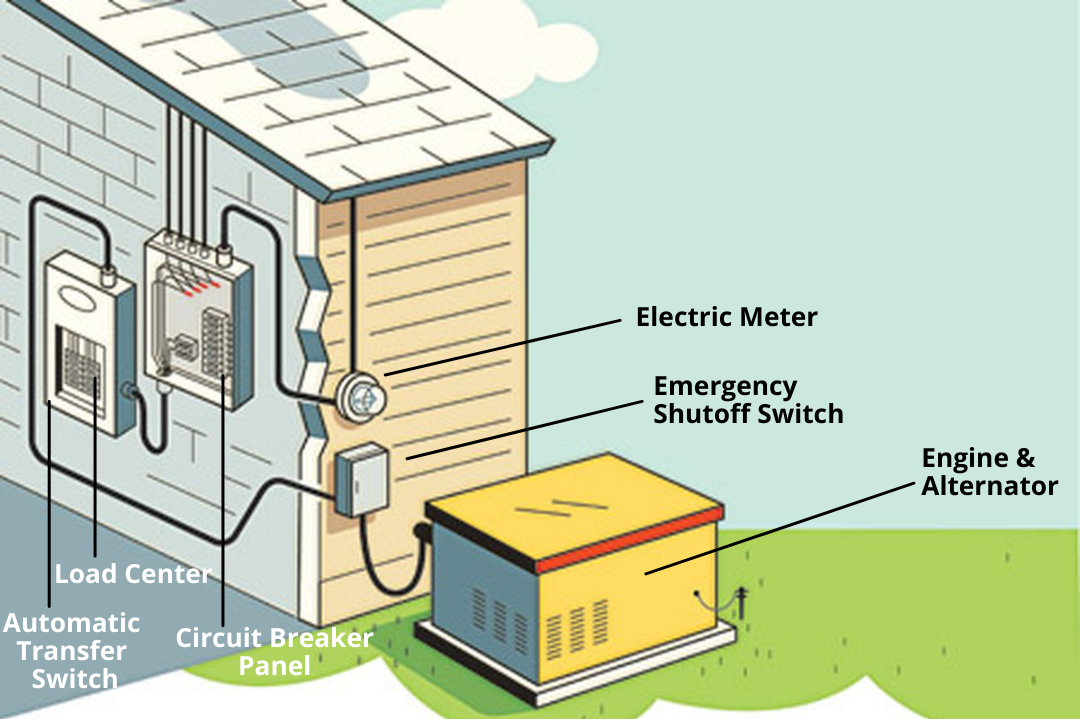
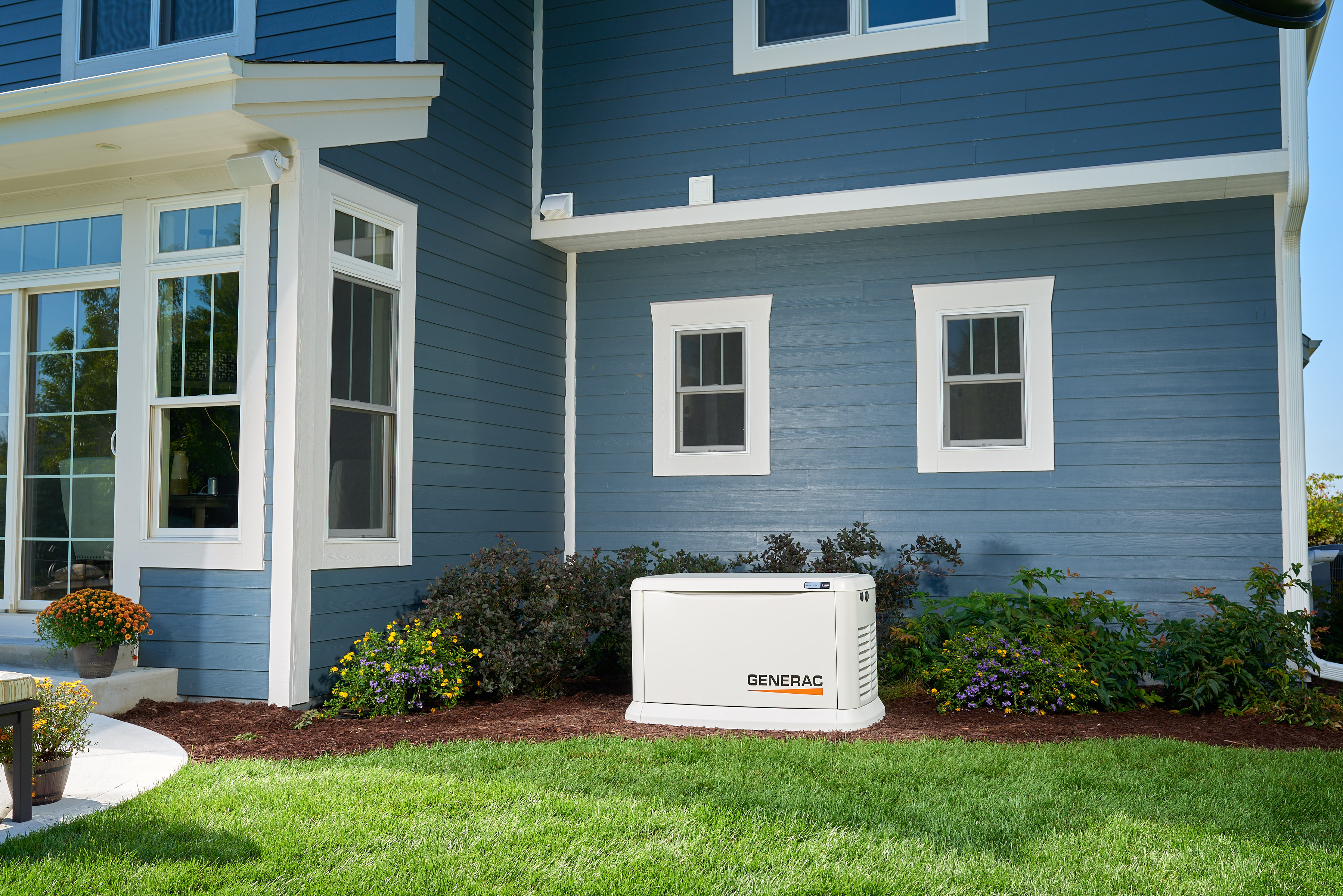
Standby Generac generators provide a reliable power solution for homes and businesses. They are permanently installed outside the building. These generators automatically detect power outages. They start running within seconds to restore electricity. Most standby generators use natural gas or liquid propane. They offer a continuous fuel supply, ensuring long-term operation during extended outages. Standby generators can power entire homes, including HVAC systems and other large appliances. They offer peace of mind and security by keeping essential systems running.
Fuel Sources
Understanding the fuel sources for a Generac Generator is essential. This knowledge can help in choosing the best option for your power needs. Generac generators can run on various types of fuel. The most common are natural gas and propane. Each has its own benefits and considerations. Let’s explore these options in detail.
Natural Gas
Natural gas is a popular fuel choice for Generac generators. It is reliable and efficient. Many homes already have a natural gas line. This makes it a convenient option. Natural gas is also more environmentally friendly. It produces fewer emissions compared to other fossil fuels.
Here are some key benefits of using natural gas:
- Continuous supply
- Lower emissions
- Cost-effective
One downside is that it relies on a gas grid. If the grid goes down, your generator may not work. Despite this, natural gas remains a strong choice for many households.
Propane
Propane is another common fuel for Generac generators. It is stored in tanks, which makes it portable. This is useful in remote areas without a natural gas supply. Propane has a long shelf life, so it is great for emergency use.
Advantages of using propane include:
- Portability
- Long shelf life
- Clean-burning fuel
On the downside, propane tanks need regular refilling. This can be inconvenient during prolonged power outages. Despite this, propane is a versatile and reliable fuel source.
Natural Gas Generators
Natural gas generators are a popular choice for many homeowners. They use natural gas to produce electricity. This fuel is clean and efficient. Generac generators often use this type of fuel. Let’s explore the benefits and the installation process.
Benefits
- Reliability: Natural gas provides a constant fuel supply. No need to store fuel.
- Environmentally Friendly: Natural gas burns cleaner than other fossil fuels. Less pollution.
- Cost-Effective: Natural gas is often cheaper. Lower fuel costs mean savings.
- Convenience: No refueling required. Connected directly to your home’s gas line.
Installation Process
Installing a natural gas generator involves several steps. Here’s a simple breakdown:
- Site Assessment: A professional will evaluate your home. They determine the best location for the generator.
- Permits: You may need permits. Check local regulations before starting.
- Gas Line Connection: The generator connects to your home’s gas line. A licensed plumber usually does this. </li
- Electrical Hookup: An electrician connects the generator to your home’s electrical system. This ensures seamless power transfer.
- Testing: The installation team tests the system. This ensures everything works correctly.
Propane Generators
Propane generators are a reliable power source for many homes. They use propane gas to generate electricity. These generators are efficient and environmentally friendly. They are also a popular choice for backup power during outages.
Advantages
Propane generators offer many benefits. One major advantage is fuel availability. Propane is easy to store and has a long shelf life. Unlike gasoline, it does not degrade over time. This makes propane a dependable fuel for emergencies.
Another benefit is clean burning. Propane burns cleaner than other fossil fuels. It produces fewer emissions, which is better for the environment. This means less maintenance and a longer lifespan for the generator.
Propane generators also run quieter than diesel generators. This can make a big difference in residential areas. Noise pollution is reduced, making them more neighbor-friendly.
Maintenance Tips
Regular maintenance ensures your propane generator runs smoothly. First, check the fuel system for leaks. Propane leaks can be dangerous. Always inspect the connections and hoses.
Next, change the oil regularly. Follow the manufacturer’s recommendations for oil change intervals. Clean oil helps the engine run efficiently.
Also, check the air filter. A clean air filter improves performance. Replace it if it is dirty or clogged.
Finally, test the generator periodically. Run it under load to ensure it works properly. This can help identify any issues before they become serious.
Switching Between Fuels
Generac generators provide flexibility in fuel choice. Switching between fuels gives users options based on availability and cost. This feature is especially useful in emergencies. Learn more about dual-fuel options and conversion kits below.
Dual-fuel Generators
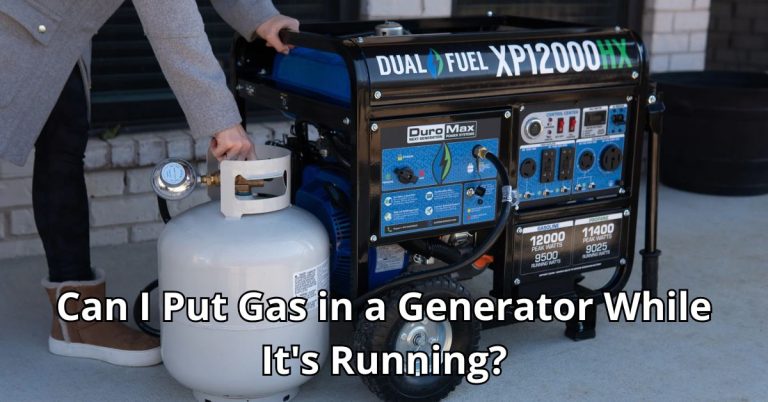
Dual-fuel generators can run on more than one type of fuel. Generac’s dual-fuel models typically use gasoline and propane. Gasoline is often easier to find. Propane burns cleaner and has a longer shelf life.
With dual-fuel capability, you can switch between gasoline and propane. This ensures your generator keeps running, even if one fuel type is scarce. These generators are ideal for areas prone to natural disasters.
Conversion Kits
Conversion kits allow you to modify a single-fuel generator to run on another type of fuel. Generac offers kits to convert gasoline generators to propane or natural gas. This flexibility can save you money and increase your generator’s usefulness.
Installing a conversion kit is straightforward. Usually, it involves adding a few components and making some adjustments. The kit includes all necessary parts and instructions. With these kits, you can make your generator more versatile and reliable.
Credit: www.generacpowerproducts.com
Choosing The Right Generator
Generac generators run on various fuel sources, including natural gas, propane, or diesel. This ensures consistent and reliable power during outages.
Choosing the right generator can feel daunting. Generac generators come in various types, each with its own power source. Understanding your needs and fuel options helps you make the best choice.Assessing Power Needs
First, identify what you need to power. Is it just essential appliances or your whole house? Calculate the total wattage. List all devices you plan to use. Add up their wattage. This gives you a clear idea of your power requirements.Considering Fuel Availability
Different generators use different fuels. Common options include gas, propane, diesel, and natural gas. Check which fuel types are easily available in your area. Some fuels store better than others. Propane, for example, has a long shelf life. Gasoline is more readily available but needs proper storage.Installation And Safety
Installing a Generac generator ensures that your home stays powered. Proper installation and safety measures are crucial for optimal performance. Here’s a detailed look at professional installation and safety precautions.
Professional Installation
A professional installation guarantees that your Generac generator functions properly. Experts follow all guidelines to ensure safety and efficiency. Here are the key steps involved:
- Site assessment: Professionals select the best location for the generator.
- Foundation setup: They prepare a solid base for the unit.
- Connections: They connect the generator to your home’s electrical system.
- Testing: They test the generator to ensure it works properly.
Hiring a professional ensures compliance with local codes. This reduces the risk of hazards.
Safety Precautions
Safety is paramount when dealing with generators. Follow these precautions to stay safe:
- Keep a distance: Place the generator at least five feet away from your home.
- Ventilation: Ensure proper ventilation to avoid carbon monoxide buildup.
- Regular maintenance: Schedule regular maintenance checks.
- Proper storage: Store fuel in approved containers away from the generator.
Following these precautions helps prevent accidents and ensures your generator operates safely.

Credit: canterpowersystems.com
Maintenance And Troubleshooting
Maintaining a Generac Generator ensures it works efficiently when needed. Regular maintenance can prevent many common issues. Addressing problems early can save both time and money. Below, we discuss regular maintenance and common issues in detail.
Regular Maintenance
Regular maintenance is key to the longevity of your Generac Generator. Here are some basic steps:
- Check Oil Levels: Regularly check and change the oil. This ensures smooth operation.
- Inspect the Battery: Ensure the battery is charged and connections are tight.
- Replace Air Filters: Clean or replace air filters every 200 hours of use.
- Examine Spark Plugs: Replace spark plugs annually or as needed.
- Run the Generator: Run the generator every month for at least 30 minutes.
Following these steps will help keep your generator in top condition.
Common Issues
Even with proper maintenance, you may face common issues. Here are a few:
| Issue | Possible Cause | Solution |
|---|---|---|
| Generator Won’t Start | Dead Battery | Charge or replace the battery. |
| Low Power Output | Dirty Air Filter | Clean or replace the air filter. |
| Overheating | Low Coolant | Check and refill coolant levels. |
| Strange Noises | Loose Parts | Tighten any loose parts. |
Addressing these common issues promptly will ensure your generator runs smoothly.
Credit: generac.ninestarconnect.com
Frequently Asked Questions
How Does A Generac Generator Work?
A Generac generator operates by converting mechanical energy into electrical energy. It uses an internal combustion engine. This engine is fueled by natural gas, propane, or diesel. The engine drives an alternator to produce electricity. This process ensures a continuous power supply during outages.
What Fuels Do Generac Generators Use?
Generac generators typically use natural gas, propane, or diesel. These fuels are readily available. Natural gas and propane are commonly used for home generators. Diesel is often used for larger, commercial units. The fuel choice depends on the generator model and user preference.
Are Generac Generators Reliable?
Yes, Generac generators are known for their reliability. They provide consistent power during outages. Generac uses high-quality materials and advanced technology. Regular maintenance ensures long-term reliability. Many users trust Generac for their backup power needs. This reputation makes Generac a popular choice.
How Long Can A Generac Generator Run?
A Generac generator can run continuously for several days. The run time depends on fuel supply and load. With adequate fuel, it can provide power through extended outages. Regular maintenance ensures optimal performance. This makes Generac generators suitable for long-term backup power.
Conclusion
A Generac generator is powered by different fuel sources. Gasoline, natural gas, and diesel are common options. Each fuel type has its benefits and drawbacks. Consider your needs and local availability. Generac generators are reliable for backup power. They provide peace of mind during outages.
Understanding how they work helps you make informed decisions. Ensure regular maintenance for optimal performance. Always follow safety guidelines. A well-chosen generator keeps your home powered and safe.