Lithium Ion Battery Vs Agm: Ultimate Power & Performance Showdown
Choosing the right battery can change the way you power your devices, vehicles, or backup systems. When it comes to Lithium Ion Battery vs AGM, understanding the difference can save you money, boost performance, and extend how long your battery lasts.
You might be asking yourself, which one truly fits your needs? By the end of this article, you’ll have a clear answer that helps you make the best choice for your specific situation. Keep reading to find out which battery type gives you more value, reliability, and peace of mind.
Battery Basics
Batteries store energy to power many devices and machines. Choosing the right battery depends on understanding how they work. Two popular types are Lithium Ion and AGM batteries. Each has a unique design and function. Knowing their basics helps you pick the best fit.
How Lithium Ion Works
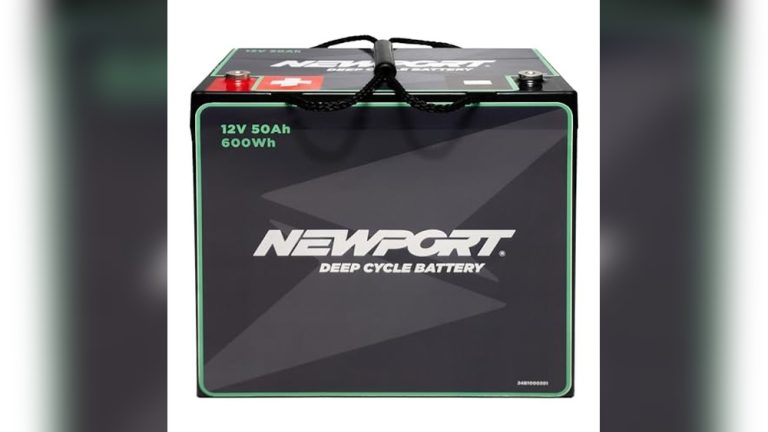
Lithium Ion batteries use lithium ions to move between two electrodes. This movement creates an electric current. The battery has a positive electrode called the cathode and a negative electrode called the anode. Inside, a liquid or gel electrolyte helps ions travel.
When charging, lithium ions move from the cathode to the anode. During use, they move back to the cathode. This flow generates power for your device. Lithium Ion batteries are light and hold a lot of energy. They also recharge quickly and last a long time.
Agm Battery Fundamentals
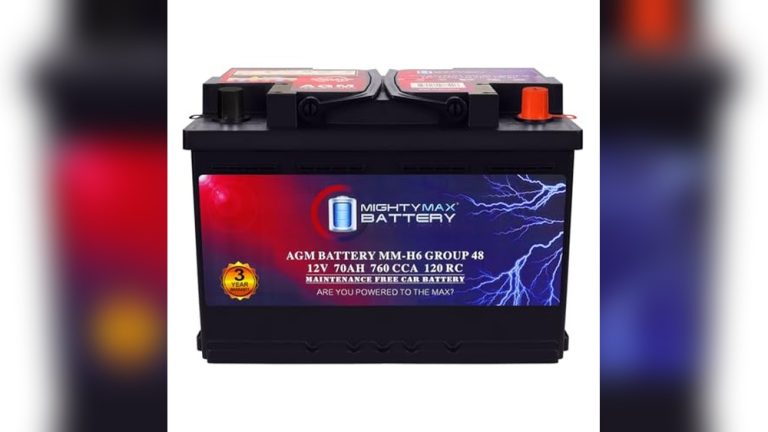
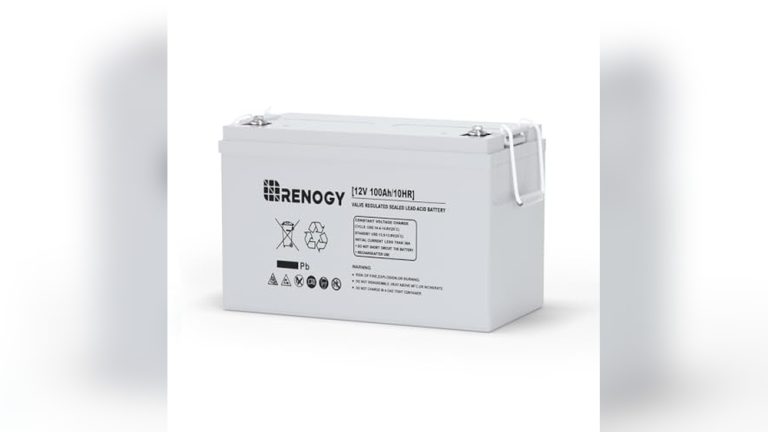
AGM stands for Absorbent Glass Mat. This battery uses glass mats to hold the electrolyte. The mats keep the acid in place, making the battery spill-proof. It has lead plates inside to store energy.
AGM batteries produce power through a chemical reaction between lead plates and acid. They provide strong bursts of energy, ideal for starting engines. These batteries are durable and need less maintenance. They also work well in cold weather and harsh conditions.
Power Output Comparison
Power output is a key factor when choosing between Lithium Ion and AGM batteries. It tells us how much energy the battery can provide at a given time. Understanding power output helps in picking the right battery for your needs.
Different batteries behave differently under power demands. Some deliver quick bursts of energy, while others keep steady power for longer. This section compares their peak and sustained power abilities.
Peak Power Delivery
Lithium Ion batteries can deliver high peak power quickly. They handle sudden energy spikes well. This makes them good for devices needing a strong start.
AGM batteries also provide peak power but at a lower level. They take longer to reach maximum output. This can limit their use in high-demand situations.
Sustained Performance
Lithium Ion batteries maintain steady power over a longer time. They are efficient and keep voltage stable during use. This helps devices run smoothly without drops in power.
AGM batteries may lose power faster during long use. They are less efficient at keeping voltage steady. This can cause devices to slow down or stop sooner.
Lifespan And Durability
Lifespan and durability are key factors when choosing between Lithium Ion and AGM batteries. Both types serve different needs and last for different periods. Understanding these differences helps pick the right battery for your use.
Cycle Life Differences
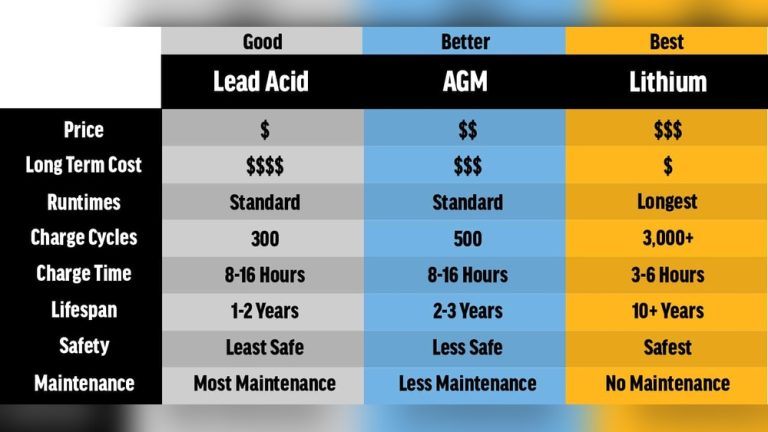
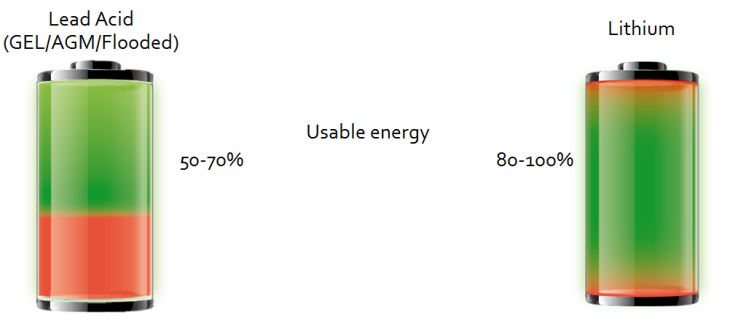
Lithium Ion batteries offer a higher cycle life than AGM batteries. They can handle 2,000 to 5,000 charge cycles. AGM batteries usually last around 300 to 500 cycles. More cycles mean longer use without replacing the battery. This makes Lithium Ion better for frequent use.
Resistance To Wear And Tear
AGM batteries resist physical damage well due to their sealed design. They tolerate vibrations and shocks better than Lithium Ion. Lithium Ion batteries are sensitive to extreme temperatures and rough handling. Still, they maintain performance longer in stable conditions. Choose AGM for tough environments and Lithium Ion for steady use.
Credit: www.victronenergy.com
Charging Speed And Efficiency
Charging speed and efficiency play a big role in choosing the right battery. They affect how fast a battery gets ready for use and how well it holds power. These factors matter for daily use and long trips. Both Lithium Ion and AGM batteries have different strengths here. Understanding these can help you pick the best battery for your needs.
Charge Time Variations
Lithium Ion batteries charge much faster than AGM batteries. A typical Lithium Ion battery can reach full charge in a few hours. AGM batteries take longer, sometimes twice as long. Fast charging saves time, especially on the go. AGM batteries need slower charging to avoid damage. This makes Lithium Ion better for quick turnarounds.
Energy Efficiency Metrics
Lithium Ion batteries use energy more efficiently than AGM. They lose less power during charging and use. AGM batteries have higher energy loss. This means Lithium Ion batteries last longer on a single charge. They also handle more charge cycles before wearing out. Efficiency reduces electricity costs and battery replacements. This makes Lithium Ion a smart choice for frequent users.
Maintenance Needs
Understanding the maintenance needs of batteries helps in choosing the right type. Lithium Ion and AGM batteries have different care routines. These differences affect battery life and performance.
Routine Care For Lithium Ion
Lithium Ion batteries require minimal maintenance. Avoid deep discharges to keep them healthy. Charge them regularly but do not overcharge. Keep the battery cool; heat can reduce lifespan. Store in a dry place if not used for long. Check for any damage or swelling often. Clean terminals gently to maintain good contact.
Agm Maintenance Requirements
AGM batteries need more attention than Lithium Ion. Regularly check the charge level to avoid deep discharges. Keep terminals clean and free from corrosion. Inspect for any leaks or cracks in the casing. AGM batteries benefit from occasional full charges. Store in a cool, dry place to prevent damage. Balance charging helps in extending battery life.
Safety Considerations
Safety is a key factor when choosing between Lithium Ion and AGM batteries. Each type has unique risks and benefits. Understanding these helps in making the right choice.
Thermal Stability
Thermal stability refers to how well a battery handles heat. Lithium Ion batteries can heat up quickly under stress. This can cause damage or even fire in rare cases. AGM batteries handle heat better and are less prone to overheating. They are sealed and have a design that helps reduce heat build-up. This makes AGM batteries safer in high-temperature conditions.
Risk Factors And Precautions
Lithium Ion batteries may short circuit if damaged. They need good charging systems to avoid overcharging. Proper ventilation is important to prevent heat build-up. AGM batteries have fewer risks but still need care. Avoid deep discharges to keep them healthy. Both battery types must be stored away from direct sunlight. Use chargers designed for each battery type to avoid damage.
Cost Analysis
Cost plays a major role in choosing between Lithium Ion and AGM batteries. Understanding both the upfront price and ongoing expenses helps make the best choice. This section breaks down the costs clearly.
Initial Investment
Lithium Ion batteries often cost more to buy. Their technology is advanced and materials are pricier. AGM batteries have a lower price tag at purchase. This makes AGM a common choice for tight budgets. The higher price of Lithium Ion can seem a barrier at first.
Long-term Value
Lithium Ion batteries last much longer than AGM types. They handle more charge cycles and stay efficient. This means fewer replacements and less waste over time. AGM batteries wear out faster and need replacing more often. Costs for new batteries and maintenance add up. In the long run, Lithium Ion may save money despite the higher start price.
Best Use Cases
Choosing the right battery depends on the task at hand. Each battery type has strengths that suit certain uses better. Knowing the best use cases helps pick the right battery for your needs.
Both Lithium Ion and AGM batteries power devices well. Yet, their features make them fit different applications. Understanding where each excels improves performance and lifespan.
Applications Suited For Lithium Ion
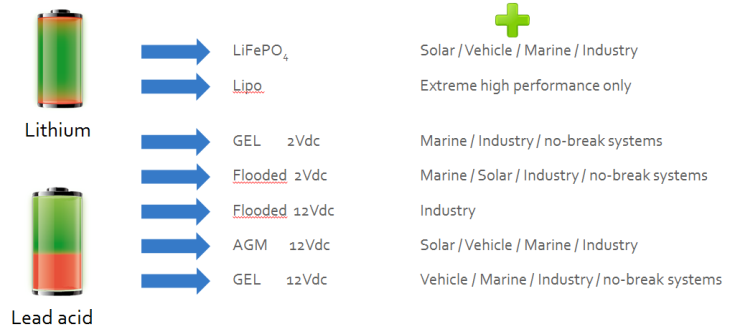
Lithium Ion batteries are light and store lots of energy. They fit well in portable electronics and electric vehicles. These batteries deliver steady power for a long time. They charge quickly, saving time during use. Devices like laptops, smartphones, and drones use Lithium Ion. They also work great in solar energy storage systems. Their low weight helps in electric bikes and scooters. Strong performance in cold and hot weather is another benefit.
When Agm Batteries Excel
AGM batteries handle heavy loads and harsh conditions well. They work best in cars, boats, and motorcycles. These batteries tolerate vibration and rough handling. AGM batteries need less maintenance than traditional lead-acid types. They shine in backup power systems and emergency lighting. Their sealed design prevents leaks and spills. AGM batteries perform reliably in cold starts and deep cycles. They suit applications where safety and durability are key.
Environmental Impact
The environmental impact of batteries is a key factor in choosing between lithium-ion and AGM types. Batteries affect the planet during production, use, and disposal. Understanding their impact helps make better choices for a cleaner future.
Both battery types have pros and cons in terms of environmental effects. The materials, energy use, and waste management all play roles. Let’s explore these aspects closely.
Recycling And Disposal
Lithium-ion batteries contain valuable metals like lithium and cobalt. These metals can be recycled but require specialized processes. Improper disposal risks soil and water pollution.
AGM batteries use lead and acid. Lead is toxic but highly recyclable through established systems. Acid must be handled carefully to avoid environmental harm. Recycling rates for AGM batteries are generally higher than lithium-ion.
Both types need proper recycling to reduce waste and pollution. Safe disposal protects ecosystems and conserves resources.
Sustainability Factors
Lithium-ion batteries often last longer and weigh less. This means fewer batteries are needed over time, reducing resource use. Mining lithium and cobalt, however, can cause environmental damage and social issues.
AGM batteries use lead, which is abundant but toxic. Their shorter lifespan means more frequent replacements. This increases material consumption and waste.
Choosing batteries with longer life and better recycling improves sustainability. Responsible mining and waste management are also crucial for both types.
Credit: au.jackery.com
Credit: www.victronenergy.com
Frequently Asked Questions
What Are The Main Differences Between Lithium Ion And Agm Batteries?
Lithium Ion batteries are lighter, last longer, and charge faster. AGM batteries are heavier, cheaper, and more durable in extreme conditions. Lithium Ion offers higher energy density, while AGM is maintenance-free and spill-proof.
Which Battery Type Lasts Longer, Lithium Ion Or Agm?
Lithium Ion batteries typically last 3-5 times longer than AGM batteries. They endure more charge cycles and maintain capacity better over time. AGM batteries have a shorter lifespan but can handle rougher environments.
Are Lithium Ion Batteries Safer Than Agm Batteries?
AGM batteries are safer in terms of chemical stability and less prone to overheating. Lithium Ion batteries require advanced management systems to prevent overheating and thermal runaway but offer better performance.
Which Battery Is Better For Deep Cycle Applications?
Lithium Ion batteries are superior for deep cycle use due to higher efficiency and longer cycle life. AGM batteries can handle deep cycles but degrade faster and lose capacity sooner.
Conclusion
Choosing between lithium ion battery and AGM depends on your needs. Lithium ion offers lighter weight and longer life. AGM batteries are cheaper and work well in cold. Both have strengths and fit different uses. Think about cost, weight, and how often you use it.
This helps pick the best battery for you. Batteries power many things, so choose wisely. Your decision affects performance and cost in the long run. Keep these points in mind to make a smart choice.