Lithium Vs Lead Acid Golf Cart Batteries: Ultimate Performance Showdown
Choosing the right battery for your golf cart can feel overwhelming. You want something reliable, long-lasting, and easy to maintain.
Should you go with lithium or lead acid golf cart batteries? Each has its strengths and weaknesses, but which one truly fits your needs? By the end of this article, you’ll have a clear understanding of how these two types stack up, helping you make the best decision for your golf cart’s performance and your peace of mind.
Keep reading to discover the key differences that could save you time, money, and hassle.
Battery Types For Golf Carts
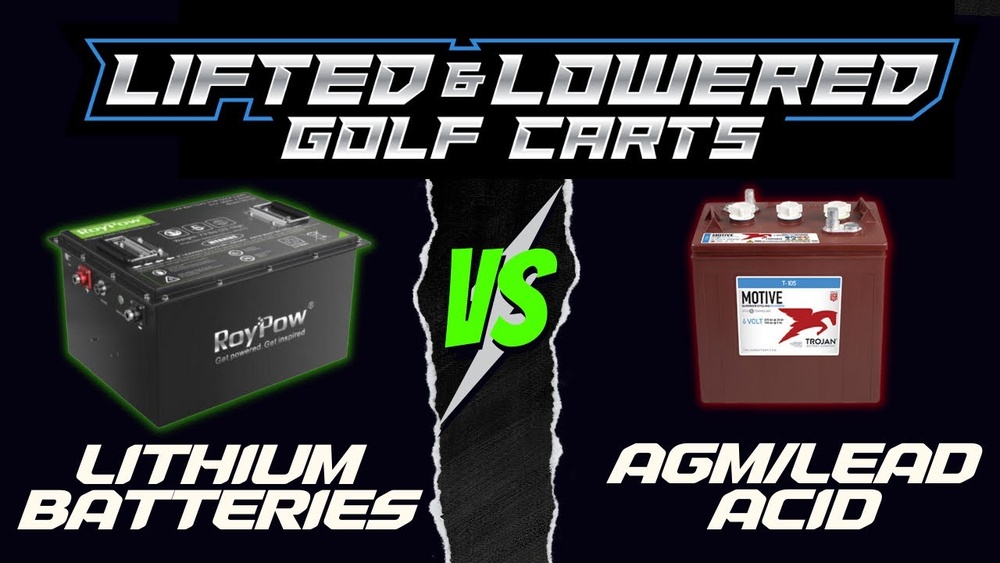
Choosing the right battery for your golf cart is important. Batteries power the cart and affect how it runs. Two common types are lithium and lead acid. Each has features that suit different needs. Understanding these helps you pick the best one for your golf cart.
Basics Of Lithium Batteries
Lithium batteries are light and compact. They hold a lot of energy for their size. They charge faster than many other types. Lithium batteries last longer before needing replacement. They also deliver steady power during use. These batteries require less maintenance. They cost more upfront but save money over time.
Basics Of Lead Acid Batteries
Lead acid batteries are heavier and bulkier. They have been used in golf carts for many years. These batteries are cheaper to buy first. They need regular maintenance like checking water levels. Lead acid batteries take longer to charge. Their lifespan is shorter compared to lithium. They work well for casual or short rides.
Performance Comparison
Performance is key when choosing a golf cart battery. It affects how far and how fast your cart goes. Both lithium and lead acid batteries offer unique advantages. Understanding their performance differences helps you pick the right one.
Energy Density And Weight
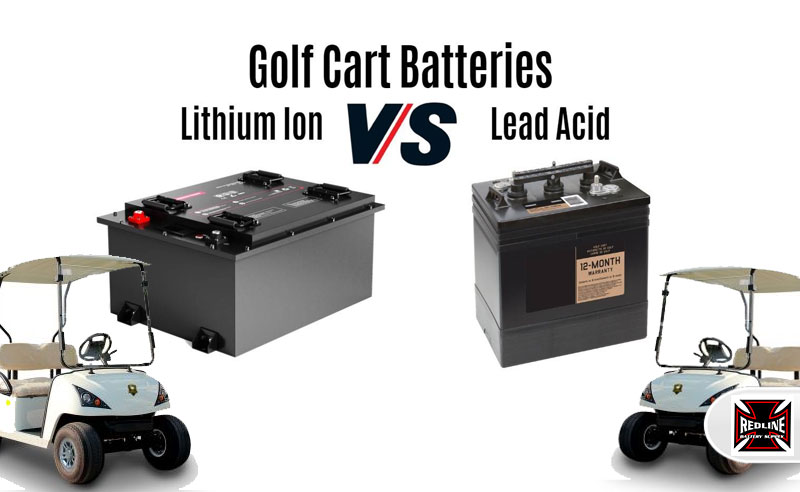
Lithium batteries have a higher energy density than lead acid. They store more power in a smaller space. This makes lithium batteries lighter and compact. Lead acid batteries are heavier and bulkier. The weight difference affects the golf cart’s speed and handling. A lighter battery means better efficiency and easier maintenance.
Charge And Discharge Rates
Lithium batteries charge faster than lead acid types. They can handle quick charging without damage. Lead acid batteries take longer to recharge. They also lose capacity if discharged too deeply. Lithium batteries provide steady power even at high discharge rates. This results in better performance during long rides or steep hills.
Lifespan And Durability
Lithium batteries last longer than lead acid batteries. They can endure more charge cycles before performance drops. Lead acid batteries wear out faster and need replacement sooner. Lithium batteries resist corrosion and temperature changes better. This means fewer breakdowns and lower maintenance costs over time.
Cost Analysis
Cost plays a big role when choosing between lithium and lead acid golf cart batteries. Understanding the full costs helps you pick the best option. This section breaks down the main cost factors to consider.
Initial Purchase Price
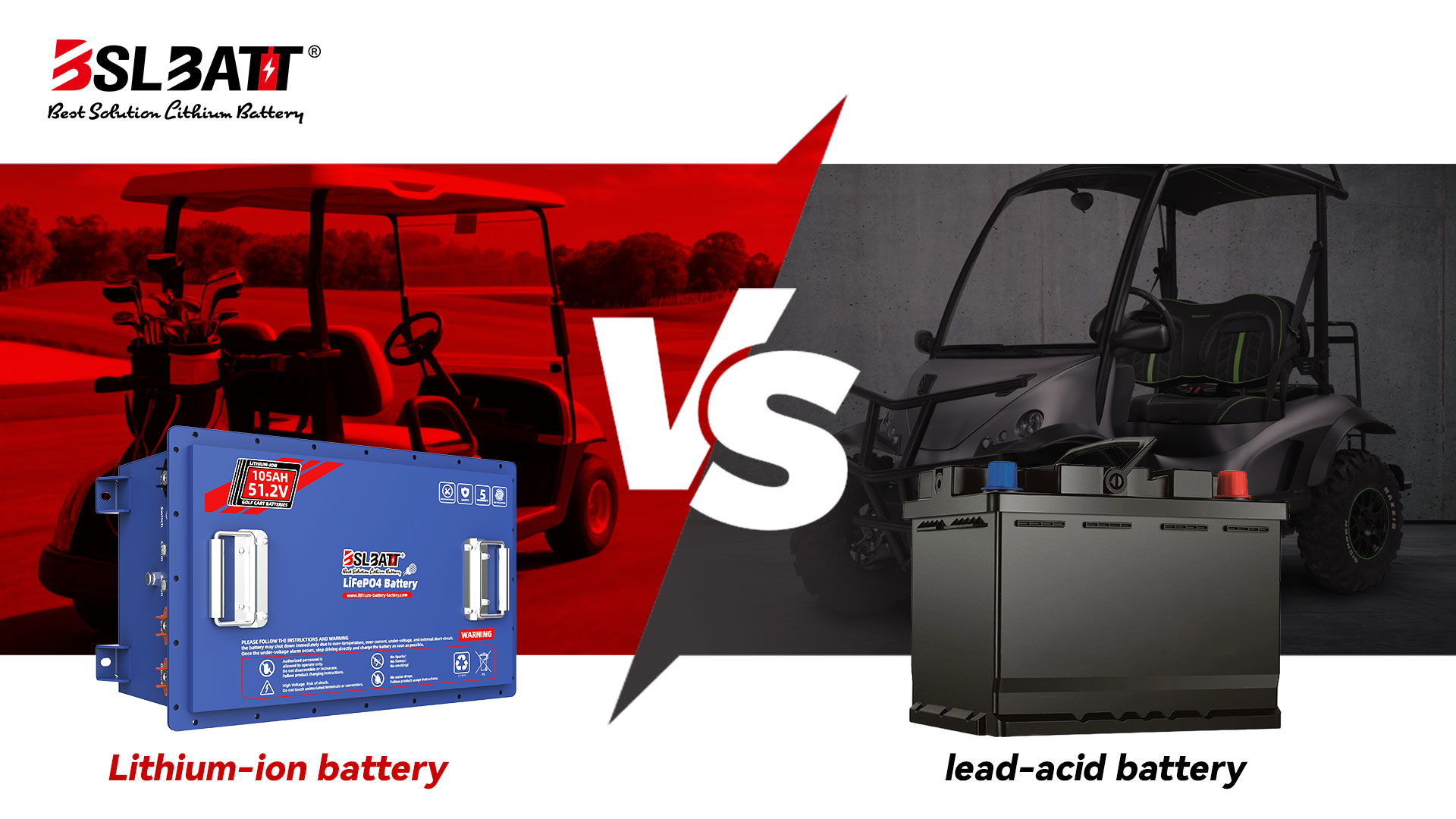
Lead acid batteries usually have a lower upfront price. They cost less to buy at first. Lithium batteries cost more at purchase. Their higher price reflects advanced technology and longer life. The initial cost can surprise many buyers.
Long-term Maintenance Costs
Lead acid batteries need regular maintenance. You must check water levels and clean terminals often. This adds time and cost over the years. Lithium batteries require little to no maintenance. They keep working well without extra care. This saves money and effort long term.
Replacement And Disposal Expenses
Lead acid batteries have a shorter lifespan. They need replacing more often, increasing costs. Disposal can also be costly due to hazardous materials. Lithium batteries last much longer, reducing replacement needs. They are easier to recycle, lowering disposal expenses.
Credit: bslbatt.com
Environmental Impact
The environmental impact of golf cart batteries plays a big role in choosing the right type. Batteries affect the earth in many ways, from making them to throwing them away. Understanding these effects helps us pick options that protect nature better. Below, we explore key areas of environmental impact for lithium and lead acid batteries.
Manufacturing Footprint
Making lithium batteries requires mining rare metals like lithium and cobalt. This process uses a lot of energy and water. It can harm local ecosystems and create pollution. Lead acid batteries use lead, which is also toxic and hard to mine safely. Their manufacturing needs less energy but involves toxic chemicals. Both types have environmental costs during production.
Recycling And Disposal
Lead acid batteries have a strong recycling system. Most parts can be reused, reducing waste and pollution. Recycling lead is well established and efficient. Lithium batteries are harder to recycle now. Their materials need special processes, which are costly. Improper disposal of either battery type can cause soil and water pollution. Proper recycling is important to protect the environment.
Sustainability Factors
Lithium batteries last longer and hold more charge. This means fewer batteries are needed over time. Longer life reduces waste and resource use. Lead acid batteries have shorter lifespans and need frequent replacement. This creates more waste and environmental strain. Choosing batteries with longer life supports sustainability. Using renewable energy to charge batteries also lowers environmental impact.
User Experience
User experience plays a big role in choosing the right golf cart battery. The type of battery affects how easy it is to use and maintain your golf cart. It also impacts how well the cart works in different weather and road conditions. Let’s explore the user experience of lithium and lead acid golf cart batteries.
Ease Of Installation
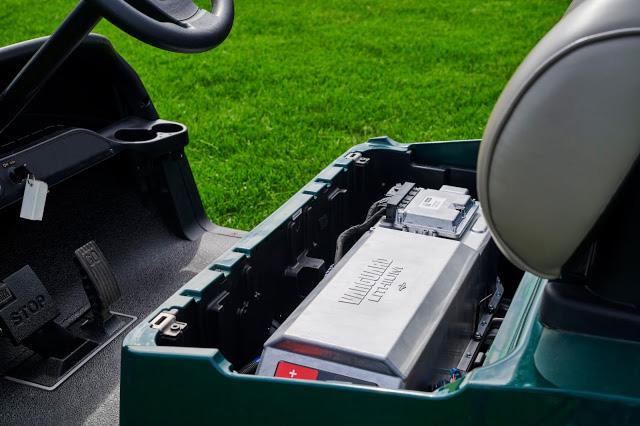
Lithium batteries are lighter and smaller than lead acid ones. This makes them easier to handle during installation. They often come with simple plug-and-play designs. Lead acid batteries are heavier and bulkier. Installation may require more effort and time. Some carts need extra support to hold the heavier lead acid batteries in place.
Maintenance Requirements
Lithium batteries need very little maintenance. They do not require watering or cleaning of terminals. Lead acid batteries need regular checks. Water levels must be topped up to keep them working well. Terminals need cleaning to avoid corrosion. Neglecting maintenance can shorten lead acid battery life.
Performance In Different Conditions
Lithium batteries perform well in both hot and cold weather. They keep a steady power output over time. Lead acid batteries lose power faster in cold conditions. Heat can also reduce their lifespan. Lithium batteries recharge faster and hold charge longer. Lead acid batteries take more time to recharge fully.
Safety Considerations
Safety is a key factor when choosing between lithium and lead acid golf cart batteries. Each type has different risks and precautions. Knowing these helps protect users and extends battery life. This section explains the main safety points to consider.
Thermal Stability
Lead acid batteries handle heat well. They are less likely to overheat during normal use. Lithium batteries can heat up faster. If not managed, they may catch fire or explode. Proper cooling and monitoring systems are essential for lithium batteries.
Risk Of Leakage Or Explosion
Lead acid batteries may leak acid if damaged. Acid can harm skin and damage equipment. Lithium batteries do not leak acid. But they can release flammable gases under stress. Both types require careful use to avoid accidents.
Handling And Storage
Store lead acid batteries upright in cool, dry places. Avoid freezing or extreme heat. Lithium batteries need more careful storage. Keep them away from metal objects and moisture. Use original chargers and avoid overcharging.
Choosing The Right Battery
Choosing the right battery for your golf cart matters a lot. The battery type affects how far and how fast your cart can go. It also changes how often you need to charge and how long the battery lasts. Picking the correct battery saves money and gives a better ride. This section helps you decide between lithium and lead acid batteries by focusing on your needs, budget, and future trends.
Matching Battery To Usage Needs
Think about how often you use your golf cart. For daily use, lithium batteries offer longer life and better performance. They charge faster and weigh less. Lead acid batteries work well for occasional use and short trips. They are heavier and take more time to charge. Match the battery type to how far and how often you drive.
Budget Vs Performance Trade-offs
Lead acid batteries cost less upfront. They fit well with smaller budgets. Lithium batteries cost more but last longer. They save money over time because they need fewer replacements. Choose lead acid for low cost now. Pick lithium for better long-term value and efficiency.
Future Trends In Battery Technology
Battery technology keeps improving quickly. Lithium batteries are becoming more affordable. New materials are making batteries safer and stronger. Lead acid batteries may stay cheaper but lithium will gain more features. Investing in lithium now means being ready for future upgrades and better performance.
Credit: boterocarts.com
Credit: redlinebatterysupply.com
Frequently Asked Questions
What Are The Main Differences Between Lithium And Lead Acid Batteries?
Lithium batteries are lighter, last longer, and charge faster than lead acid. Lead acid batteries are heavier and require more maintenance but cost less upfront.
Which Battery Type Is Better For Golf Cart Performance?
Lithium batteries offer better performance with higher energy density and consistent power. Lead acid batteries provide reliable but less efficient performance.
How Long Do Lithium And Lead Acid Golf Cart Batteries Last?
Lithium batteries typically last 5-10 years, while lead acid batteries last about 3-5 years depending on usage and maintenance.
Are Lithium Batteries More Cost-effective Than Lead Acid?
Lithium batteries cost more initially but save money over time due to longer life and lower maintenance. Lead acid batteries are cheaper upfront but need frequent replacements.
Conclusion
Choosing between lithium and lead acid golf cart batteries depends on your needs. Lithium batteries last longer and weigh less. Lead acid batteries cost less upfront but need more care. Think about your budget, how often you use your cart, and how much weight matters.
Both types have clear pros and cons. The right battery helps your golf cart run smoothly and saves money in the long run. Consider these points before making your choice.