Marine Vs Auto Battery: Key Differences You Must Know
Choosing the right battery can save you time, money, and headaches. If you’re torn between a marine battery and an auto battery, you’re not alone.
Both have their strengths, but using the wrong one for your needs can lead to poor performance or even damage. You’ll discover the key differences that matter most, so you can make a smart choice with confidence. Keep reading—you’ll learn exactly what your battery needs to power your ride or boat the right way.
Battery Construction
Battery construction plays a key role in the performance of marine and auto batteries. The way these batteries are built affects their strength, lifespan, and ability to work in different conditions. Understanding the differences in construction helps to choose the right battery for your needs.
Design And Materials
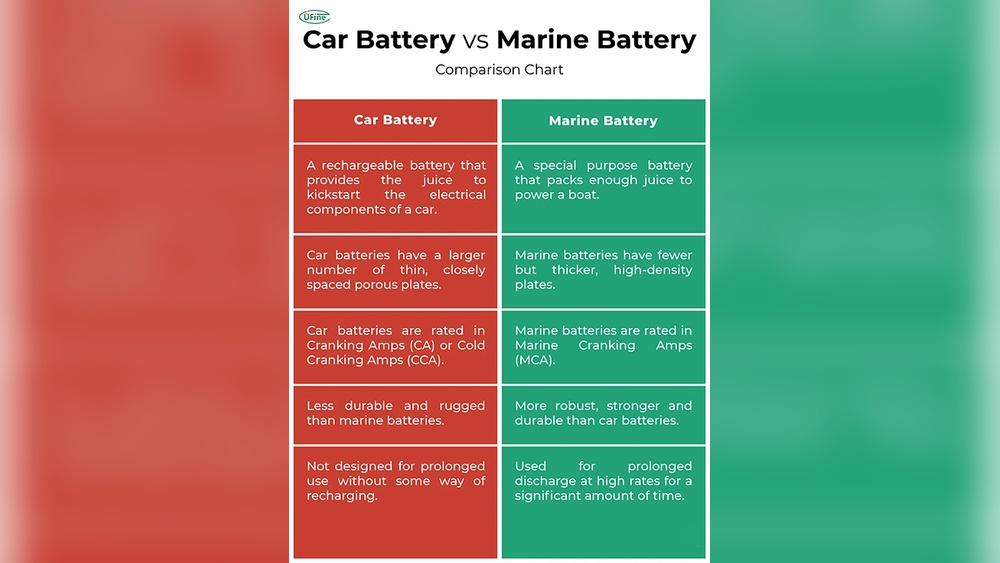
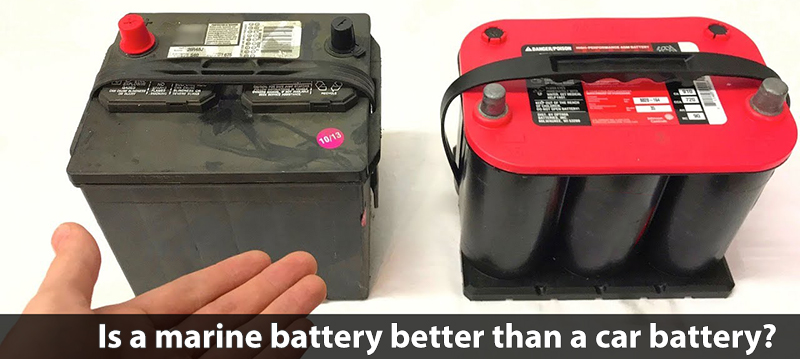
Marine batteries use thicker plates and stronger separators. They are built to resist vibration and shocks on water. Auto batteries have thinner plates designed for short bursts of power to start the engine. Both types use lead plates and acid, but marine batteries often have extra protection against corrosion from saltwater.
Durability Factors
Marine batteries must endure rough waves and constant movement. They have sealed designs to prevent leaks and spills. Auto batteries face heat from the engine and temperature changes but less physical stress. The construction of marine batteries focuses on long life and deep cycling, while auto batteries focus on high starting power.
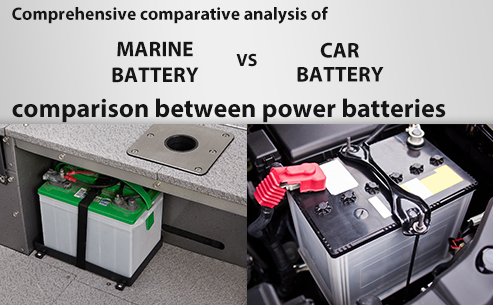
Credit: www.tycorun.com
Power Output
Power output is a key factor when choosing between marine and auto batteries. It determines how well the battery can start engines and support electrical devices. Understanding the differences helps pick the right battery for each use.
Starting Power
Starting power means how much energy the battery can provide to start an engine. Auto batteries deliver a strong burst of power quickly. This helps car engines start fast, even in cold weather. Marine batteries also provide good starting power, but usually less than auto batteries. Boats need power to start engines, but often require steady energy for longer periods too.
Deep Cycle Capability
Deep cycle capability is how well a battery can provide power over time. Marine batteries are designed for deep cycle use. They can discharge and recharge many times without damage. This makes them ideal for running boat accessories like lights and fish finders. Auto batteries are not made for deep cycles. Using them this way can shorten their life.
Usage Environment
The usage environment plays a big role in choosing the right battery. Marine and auto batteries face different conditions. These conditions affect their design and performance. Understanding these differences helps you pick the best battery for your needs.
Exposure To Elements
Marine batteries face harsh outdoor conditions. They endure water spray, salt, and high humidity. Auto batteries usually stay protected inside vehicles. They deal mostly with heat and dirt. Marine batteries have special sealing to prevent corrosion. This helps them last longer in wet environments.
Vibration And Movement
Boats move differently than cars. Marine batteries handle constant rocking and strong vibrations. They have stronger internal construction to resist damage. Auto batteries face less intense shaking. Their design focuses on steady, smooth rides. Marine batteries also resist shocks from waves and rough seas.
Credit: www.tycorun.com
Maintenance Needs
Marine and auto batteries both need regular care to last longer and work well. Their maintenance needs differ due to their design and usage. Knowing these differences helps keep your battery healthy and reliable.
Water Levels
Marine batteries often need you to check water levels. You must add distilled water to keep the plates covered. Auto batteries usually come sealed and do not need water added. Checking water levels in marine batteries prevents damage and extends life.
Charging Requirements
Marine batteries require slower, controlled charging to avoid damage. They are designed for deep cycling and need careful charging. Auto batteries handle faster charging as they provide quick bursts of power. Using the right charger type protects your battery and improves performance.
Size And Weight
Size and weight are key factors when choosing between marine and auto batteries. These two types serve different purposes and have different demands. Understanding their size and weight helps pick the right battery for your needs.
Size Differences Between Marine And Auto Batteries
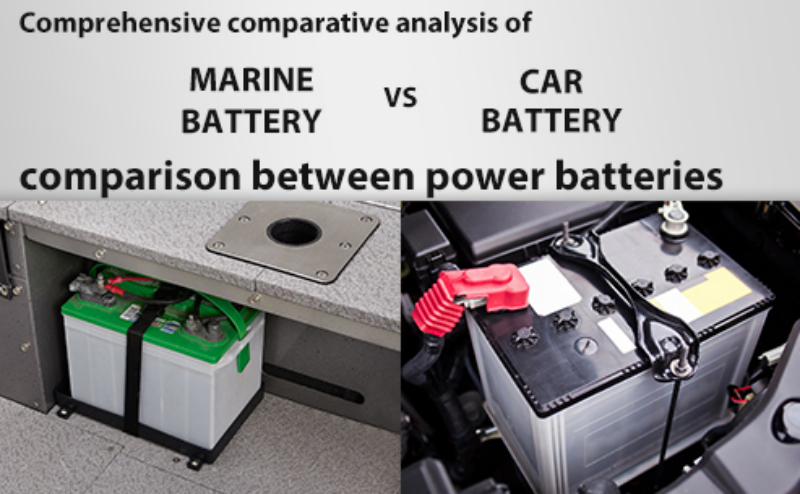
Marine batteries are usually bigger than auto batteries. They have larger cases to hold more power. Boats need batteries that last longer during trips. This means the battery must store more energy.
Auto batteries are smaller. Cars need less battery space. The battery fits under the hood with other parts. Auto batteries focus on quick starts, not long power supply.
Weight Comparison Of Marine And Auto Batteries
Marine batteries weigh more than auto batteries. Extra weight comes from stronger plates inside. These plates withstand harsh water conditions. The weight helps the battery stay stable on rough seas.
Auto batteries are lighter. Less weight helps improve car fuel efficiency. They only need enough power to start the engine. After that, the car uses its alternator to keep running.
Credit: www.tycorun.com
Cost Comparison
Marine batteries usually cost more than auto batteries due to their design and durability. Auto batteries are cheaper but may not last as long in tough marine conditions. Choosing depends on your budget and how you plan to use the battery.
Initial Purchase Price
Marine batteries usually cost more than auto batteries at purchase. They are built to resist water and vibration. This extra protection adds to the price. Auto batteries are simpler and cheaper to make. This makes them less expensive to buy.
Maintenance And Lifespan Costs
Marine batteries need regular care to last longer. Cleaning and checking water levels are common tasks. This adds small ongoing expenses. Auto batteries require less maintenance. They often last a few years without extra care. Over time, maintenance costs can make marine batteries more costly.
Replacement Frequency
Marine batteries tend to last longer in tough conditions. They handle deep discharges better than auto batteries. This means fewer replacements over time. Auto batteries may need replacement sooner if used in marine settings. Frequent replacements increase the total cost of ownership for auto batteries.
Total Cost Of Ownership
Marine batteries have a higher upfront cost but last longer. Maintenance adds to the expense but extends battery life. Auto batteries cost less initially but may wear out faster in harsh use. Consider how often you replace and maintain the battery. This helps decide which is more cost-effective for your needs.
Safety Considerations
Safety is a key factor when choosing between marine and auto batteries. Both types store energy but work in different environments. Understanding safety risks helps prevent accidents and damage. Batteries can release gases or leak acid, which need careful handling.
Marine batteries face harsh conditions like water exposure and vibration. Auto batteries mainly deal with heat and engine movement. Knowing these differences guides proper use and storage. Let’s explore specific safety points for each battery type.
Handling And Installation Risks
Marine batteries often sit in damp or wet areas. This raises the chance of corrosion and short circuits. Use waterproof covers and secure mounts to avoid accidents. Auto batteries usually stay inside engine compartments. Still, tight installation is necessary to stop battery movement.
Both need clean terminals to ensure safe connections. Wear gloves and goggles to protect skin and eyes. Avoid sparks near batteries to prevent fires.
Gas Emissions And Ventilation
Batteries emit hydrogen gas, which can ignite easily. Marine batteries require good ventilation due to confined spaces. Boats often have sealed compartments to limit gas buildup. Auto batteries also need airflow under the hood.
Never charge batteries in closed spaces without fresh air. Regular checks for gas leaks reduce explosion risks.
Maintenance And Leak Prevention
Marine batteries can leak acid from rough waves or impact. Acid damages boat parts and harms people. Use sealed batteries or battery boxes to contain leaks. Auto batteries also risk acid leaks if cracked or overcharged.
Clean batteries with baking soda solution to neutralize acid. Inspect batteries regularly for cracks or swelling. Proper maintenance keeps users safe and extends battery life.
Choosing The Right Battery
Selecting the right battery is important for your vehicle or boat. Both marine and auto batteries serve power needs but differ in design and use. Picking the correct one helps your engine start smoothly and your electronics run well. Knowing their differences avoids damage and saves money.
Marine batteries handle rough conditions and long power use. Auto batteries focus on quick starts and short bursts of energy. Understanding these needs guides the best choice for your application.
Application Specifics
Marine batteries are built to resist vibration and water exposure. They support devices like fish finders and lights for hours. Auto batteries provide a strong burst of power to start the engine quickly. They handle short, intense use better than long, steady drain.
Using an auto battery in a boat may cause early failure. A marine battery in a car may not deliver enough starting power. Choose based on where and how you use the battery most.
Longevity And Warranty
Marine batteries often last longer under heavy use. Their design helps them recharge fully and resist deep discharges. Auto batteries may have shorter life if deeply drained or exposed to harsh conditions.
Check the warranty length. Marine batteries usually come with longer coverage. This reflects their durability in tough environments. Auto battery warranties focus more on starting power reliability.
Pick a battery with a warranty that matches your usage. This protects your investment and ensures reliable power.
Frequently Asked Questions
What Is The Difference Between Marine And Auto Batteries?
Marine batteries are designed for deep cycling and durability in water environments. Auto batteries focus on high cranking power for vehicle starting. Marine batteries handle continuous power use, while auto batteries deliver short bursts of energy to start engines.
Can I Use A Marine Battery In My Car?
Using a marine battery in a car is not ideal. Marine batteries provide steady power, not high cranking amps. This can lead to starting issues. Auto batteries are better suited for cars due to their design for quick, high-power starts.
How Long Do Marine Batteries Typically Last?
Marine batteries usually last between 4 to 6 years. Their lifespan depends on usage, maintenance, and charging habits. Proper care and avoiding deep discharges extend their life. Quality and brand also influence durability and performance.
Are Auto Batteries Suitable For Marine Applications?
Auto batteries are generally not recommended for marine use. They lack the deep cycling ability needed in marine environments. Using an auto battery in a boat can reduce battery life and performance. Marine batteries are built to withstand harsh marine conditions.
Conclusion
Choosing between marine and auto batteries depends on your needs. Marine batteries handle rough water and last longer. Auto batteries work well for regular car use. Both have unique designs for different tasks. Think about where and how you will use the battery.
Proper care helps batteries perform better and last longer. Pick the battery that fits your lifestyle and equipment. Simple choices lead to reliable power every time.