What Do I Smell When My Propane Generator is Running: Troubleshooting Odors
When your propane generator runs, you might notice different smells. The most common scent is a faint, oily odor.
This is normal and usually not a cause for concern. Generators are essential for backup power, especially during outages. But strange smells can make you worry. Understanding what you smell helps you know if there’s a problem. Propane itself is odorless, but manufacturers add a harmless chemical that smells like rotten eggs.
This helps you detect leaks. Other smells may come from engine parts or fuel combustion. Knowing these can save you from potential hazards. Let’s explore these smells and their causes. This way, you can keep your generator running safely and smoothly.
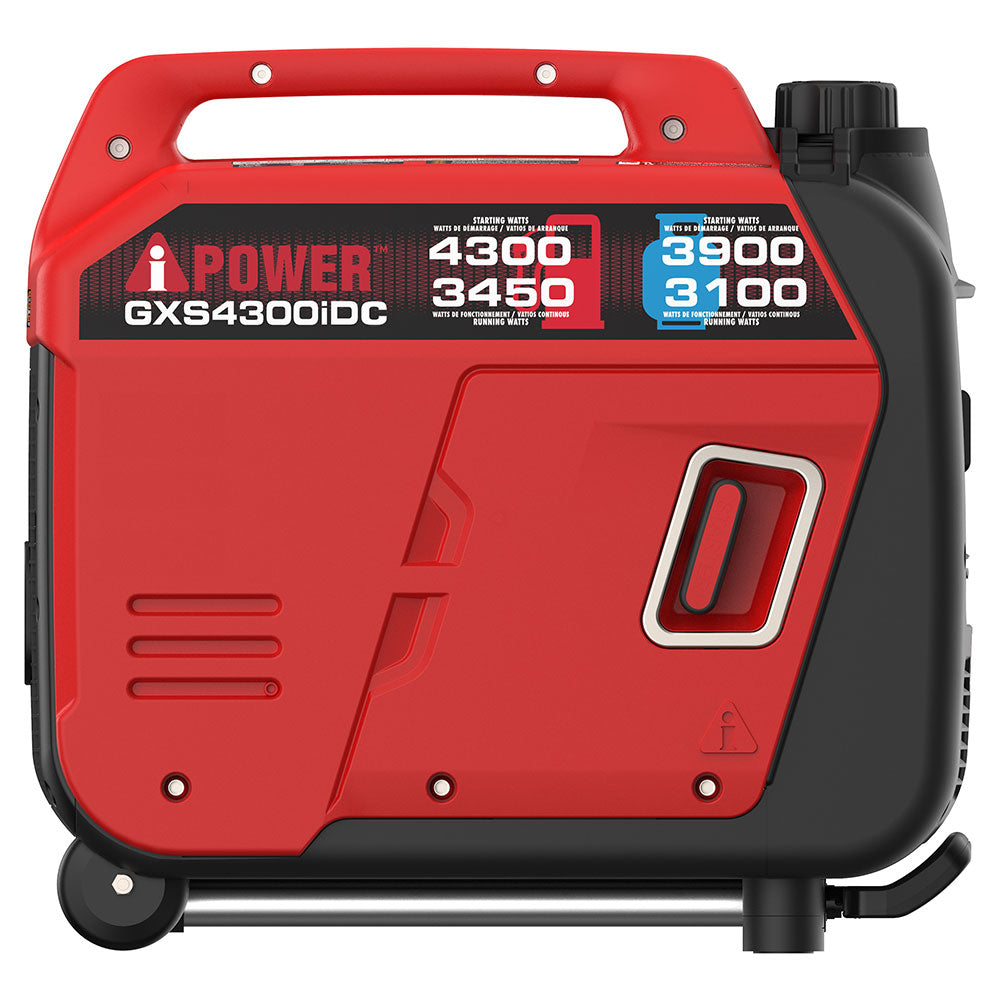
Credit: a-ipower.com
Common Odors From Propane Generators
Running a propane generator can produce various smells. These odors may indicate normal operation or potential issues. Recognizing these smells helps in maintaining the generator. Let’s explore common odors from propane generators.
Propane Smell
If you smell propane while your generator is running, it’s crucial to act. Propane has a distinct, strong odor like rotten eggs. This smell helps detect leaks quickly. A propane smell may indicate a leak in the fuel line. Ensure the area is well-ventilated and check for leaks. Turn off the generator and contact a professional if the smell persists.
Burnt Odor
A burnt odor may arise during operation. This smell might indicate burning oil or wiring issues. The smell can also come from debris in the engine. Regular maintenance reduces the chances of burnt odors. If you detect a burnt smell, inspect the generator’s components. Clean any debris and check for signs of wear. Persistent burnt odors require professional attention.
Causes Of Propane Smell
If you smell propane while your generator is running, it could be due to several reasons. Understanding the possible causes can help you identify and fix the issue. Let’s explore the most common causes of a propane smell.
Leaks In The System
Leaks in the system are a primary reason for a propane smell. Propane is stored under high pressure and can escape through small openings. Over time, fittings and connections can wear out. This wear can cause leaks.
Common areas to check for leaks include:
- Hoses and connections
- Regulators
- Valves and seals
Use a soapy water solution to detect leaks. Bubbles will form if there is a leak. Fixing leaks quickly is crucial for safety.
Incomplete Combustion
Incomplete combustion occurs when there is not enough oxygen to burn the propane completely. This can cause a propane smell. Incomplete combustion can also produce carbon monoxide, which is dangerous.
Signs of incomplete combustion include:
- Yellow flames
- Soot accumulation
- Excess smoke
Ensure the generator has proper ventilation. Check the air filters and clean them regularly. This helps provide sufficient oxygen for complete combustion.
Identifying Burnt Odors
When your propane generator is running, you might notice various smells. One of these could be a burnt odor. It’s crucial to identify the source of these smells. Burnt odors can signal different issues in your generator. Ignoring these smells can lead to bigger problems.
Overheating Components
Overheating components can cause a burnt odor. This often happens when parts are overworked. For example, the motor or wiring might get too hot. Check for any signs of discoloration or melting. Overheating can damage your generator, reducing its lifespan. Regular maintenance helps prevent these issues.
Electrical Issues
Electrical issues can also produce a burnt smell. This might indicate faulty wiring or connections. Loose or frayed wires can spark, causing a burning odor. Inspect the electrical components regularly. Ensure all connections are secure. Addressing electrical problems early can prevent fires and other hazards.
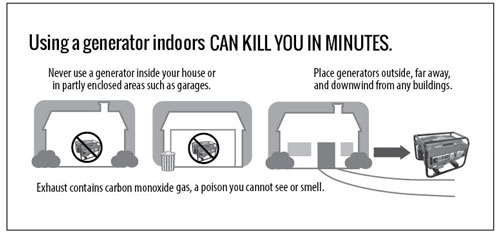
Credit: www.health.ny.gov
Safety Precautions
Running a propane generator can be efficient and convenient. But safety is paramount. Ensuring that your generator operates safely can prevent accidents. Understanding the necessary precautions can protect you and your family.
Immediate Actions
If you smell propane while your generator is running, take immediate action. A propane leak can be dangerous. Here are the steps to follow:
- Shut off the generator: Turn it off immediately to stop the leak.
- Evacuate the area: Leave the vicinity quickly to avoid inhaling propane.
- Do not use electrical devices: Avoid switches and phones; they can ignite propane.
- Ventilate the area: Open windows and doors to let the gas escape.
- Call for help: Contact emergency services and your gas supplier.
Long-term Safety Measures
Long-term safety measures are crucial for preventing future incidents. Adopting these practices will ensure your generator runs safely:
| Safety Measure | Description |
|---|---|
| Regular Inspections | Check your generator and connections regularly for leaks and damages. |
| Install Alarms | Use propane and carbon monoxide detectors to alert you of leaks. |
| Professional Maintenance | Hire a certified technician to service your generator annually. |
| Proper Storage | Store propane tanks in a well-ventilated area, away from the house. |
| Emergency Plan | Create and practice an emergency plan with your family. |
Keeping these safety measures in mind can help you enjoy the benefits of a propane generator without risks. Always prioritize safety to ensure a secure environment.
Troubleshooting Propane Leaks
A propane leak is a serious issue. It can cause health problems and fire hazards. Knowing how to detect and fix a leak is essential. This section will guide you on troubleshooting propane leaks.
Leak Detection Methods
Detecting a propane leak is the first step. A common sign is the smell of rotten eggs. Propane has a strong odor added to it. This helps in identifying leaks quickly.
You can use a soapy water solution. Mix water with dish soap. Apply it to the suspected area. If bubbles form, you have found a leak.
Another method is using a propane leak detector. These devices are designed to detect propane gas. They can provide a more precise detection.
Fixing The Leak
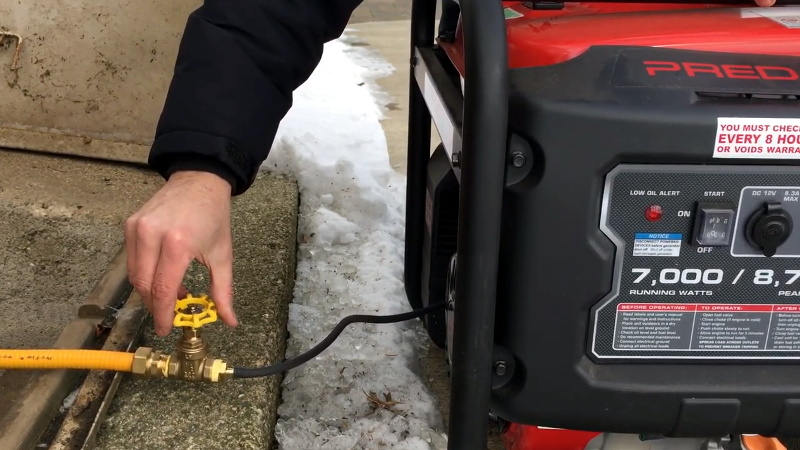
Once you detect a leak, fixing it is crucial. Start by turning off the propane supply. This can prevent further leakage.
Inspect the hoses and connections. Tighten any loose connections. If the hose is damaged, replace it. Ensure all fittings are secure.
If you cannot fix the leak, call a professional. A certified technician can handle propane systems safely. It is important to ensure your generator is safe to use.
Addressing Incomplete Combustion
When your propane generator runs, you may sometimes notice a strange smell. This smell might indicate incomplete combustion. Addressing this issue is important for the generator’s performance and your safety.
Adjusting Air-fuel Mixture
One cause of incomplete combustion is an incorrect air-fuel mixture. The mixture must be balanced for the generator to run efficiently. Too much fuel or not enough air can cause a smell.
To adjust the air-fuel mixture, check the generator’s manual. It will guide you on how to make the right adjustments. Usually, there’s a screw to turn. This screw controls the amount of air mixing with the fuel.
Make small adjustments and observe the generator’s performance. If the smell disappears, you’ve likely fixed the issue. If the smell persists, further steps may be necessary.
Regular Maintenance
Regular maintenance is key to preventing incomplete combustion. Cleaning the generator’s components helps maintain efficiency. Dirt and debris can block air flow, leading to poor combustion.
Check the air filter often. A dirty air filter restricts air flow. Replace or clean it if needed. Inspect the spark plug as well. A worn-out spark plug can cause incomplete combustion.
Schedule routine checks with a professional. They can spot issues you might miss. Proper maintenance ensures your generator runs smoothly and safely.
Dealing With Overheating Components
When your propane generator runs, you might notice unusual smells. These smells often signal overheating components. Overheating can damage your generator and reduce its lifespan. Regular maintenance can prevent this issue. Let’s explore how to deal with overheating components effectively.
Cooling System Check
A malfunctioning cooling system is a common cause of overheating. Check the coolant levels regularly. Low coolant levels can lead to engine overheating. Inspect the radiator for any leaks or blockages. Clean any debris that might be obstructing airflow. Ensure the fan and other parts are working properly. A well-maintained cooling system keeps your generator running smoothly.
Component Replacement
Worn-out components can also cause overheating. Inspect the belts and hoses for any signs of wear. Replace them if they appear cracked or damaged. Check the oil levels regularly. Low oil can cause the engine to overheat. Change the oil as recommended by the manufacturer. Regularly inspect the spark plugs and replace them if necessary. Keeping these components in good condition helps prevent overheating.

Credit: www.reddit.com
When To Call A Professional
Running a propane generator often brings peace of mind during power outages. But, unusual smells can indicate problems that need a professional’s attention. Knowing when to call a professional can save you from potential dangers and costly repairs.
Persistent Odors
If you notice a persistent gas smell, it’s a red flag. Propane has a distinct, unpleasant odor added to help detect leaks. A constant smell could mean a leak or another issue. Don’t try to fix this yourself. Instead, call a professional immediately.
A lingering chemical smell may indicate other problems. This could mean oil leaks or overheating components. Both are serious and need professional attention. Ignoring these smells can lead to bigger issues or even health risks.
Complex Repairs
Some generator problems are beyond basic troubleshooting. For example, issues with the electrical system can be dangerous. Incorrectly handled, they can cause shocks or fires. Professionals have the tools and knowledge to fix these safely.
Another complex repair involves the generator’s engine. If it’s making unusual noises or not starting, professional help is necessary. They can diagnose and fix the problem quickly and safely.
Signs Of Damage
Visible damage to your generator is a serious concern. Cracks, corrosion, or other damage can affect performance. A professional can assess and repair this effectively. This ensures your generator runs safely and efficiently.
Maintaining your propane generator is crucial. Knowing when to call a professional can prevent bigger problems and keep your generator running smoothly.
Frequently Asked Questions
What Does Propane Smell Like?
Propane has a distinctive odor added for safety. It smells like rotten eggs or sulfur. This helps detect leaks.
Is It Normal To Smell Propane From My Generator?
No, it’s not normal to smell propane while the generator is running. It indicates a possible leak. Check connections.
What Should I Do If I Smell Propane?
If you smell propane, turn off the generator immediately. Ventilate the area. Contact a professional to inspect for leaks.
Can A Propane Generator Leak Gas?
Yes, propane generators can leak gas due to faulty connections or damaged hoses. Regular maintenance helps prevent leaks.
Conclusion
Smelling propane while your generator runs is common. Recognize the distinct odor. It helps ensure safety. Always check for leaks and follow safety guidelines. Regular maintenance keeps your generator in top shape. Staying aware of smells can prevent accidents. Protect your family and property.
Prioritize safety and enjoy reliable power.