Are Propane Generators Quiet: Discover the Silent Power
Are propane generators quiet? The short answer: they can be.
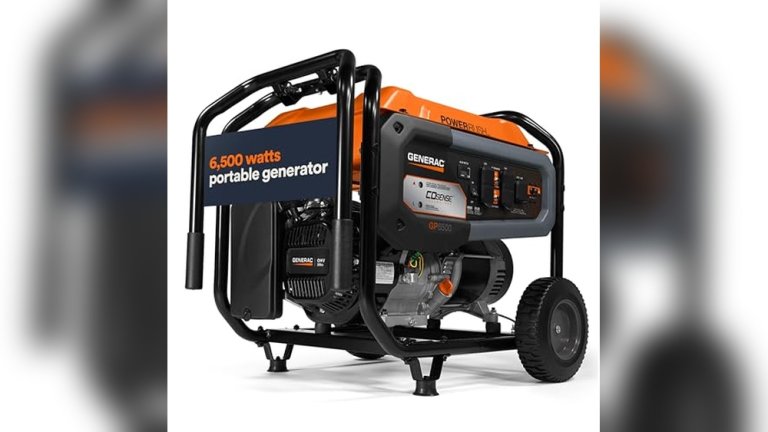
Propane generators are often quieter than their gasoline counterparts. But noise levels can vary. Propane generators are popular for their cleaner emissions and efficient fuel use. Many people wonder if they also offer a quieter operation. Noise levels depend on the generator’s size, design, and quality.
Portable models may be louder than stationary ones. Soundproofing features can also make a difference. In this post, we’ll explore how propane generators compare in noise to other types. We’ll look at what makes a generator quiet and share tips for reducing noise. Whether you need one for camping, home backup, or job sites, understanding noise levels is important. Let’s dive in and find out more about propane generator noise.

Credit: www.centralmainediesel.com
Introduction To Propane Generators
Propane generators are popular sources of backup power. They offer reliability and efficiency. Many people prefer them for their consistent performance. They are especially useful during power outages. Propane generators have become a staple in many homes and businesses.
What Are Propane Generators?
A propane generator converts propane gas into electrical energy. It uses an internal combustion engine. This engine burns propane to generate power. The generator then provides electricity to your appliances and devices. Propane is a clean-burning fuel. This makes propane generators more environmentally friendly.
Common Uses Of Propane Generators
Propane generators are versatile. They serve many purposes. Here are some common uses:
- Home Backup Power: They keep your home running during power outages. Lights, refrigerators, and heaters can function normally.
- Camping and Outdoor Activities: They are portable. Ideal for camping trips or outdoor events.
- Construction Sites: They provide power to tools and equipment. Essential for sites without electrical hookups.
- RV Power Supply: They power appliances in recreational vehicles. This ensures a comfortable trip.
These generators are dependable. They ensure that you have power when you need it most. Their versatility makes them a valuable investment.
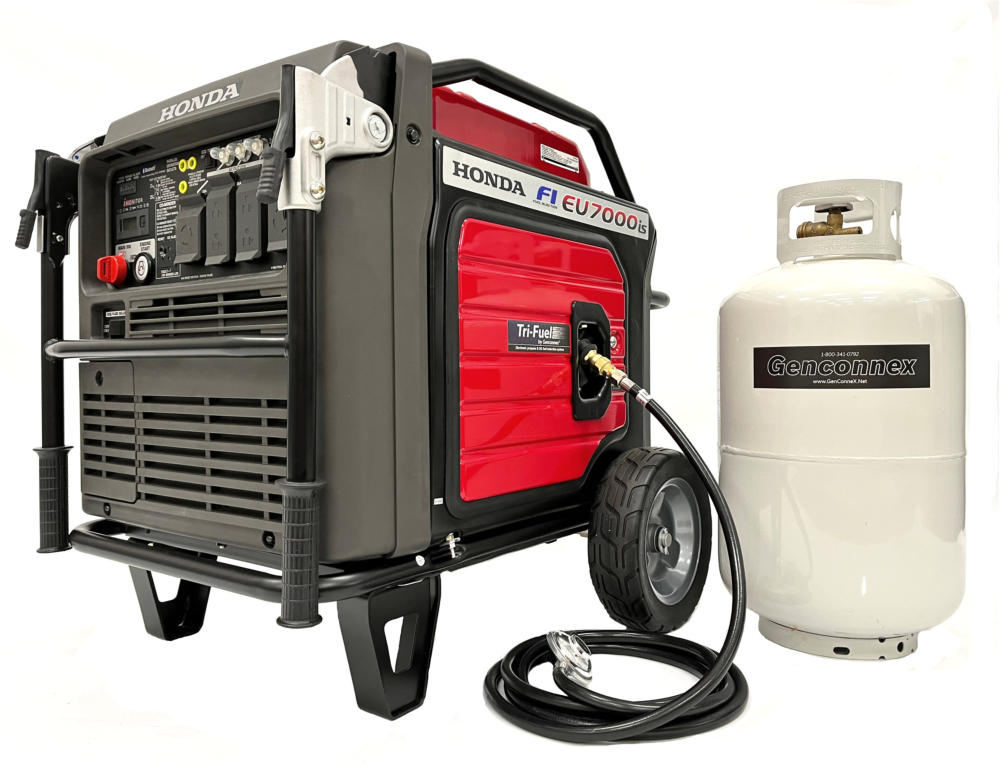
Credit: www.genconnexdirect.net
Noise Levels Of Propane Generators
Understanding the noise levels of propane generators is crucial for anyone seeking peace and quiet. Propane generators are known for their efficiency and reliability. But how loud are they? Let’s dive into the factors that affect their noise levels and compare them with other types of generators.
Factors Affecting Noise
Several factors influence the noise levels of propane generators. These include:
- Engine Size: Larger engines often produce more noise.
- Load: Higher loads can increase noise output.
- Design: Generators with better insulation and design are quieter.
- Exhaust System: Quality of the exhaust system can impact noise levels.
A generator’s noise level is measured in decibels (dB). On average, propane generators produce between 60-70 dB. This is comparable to normal conversation or background music.
Comparing With Other Generators
How do propane generators stack up against other types? Here’s a quick comparison:
| Type of Generator | Average Noise Level (dB) |
|---|---|
| Propane Generators | 60-70 dB |
| Gasoline Generators | 65-75 dB |
| Diesel Generators | 70-85 dB |
As seen in the table, propane generators are quieter than gasoline and diesel generators. This makes them a better choice for residential areas.
Selecting the right generator depends on your noise tolerance and usage needs. Propane generators offer a good balance of power and quiet operation.
Technology Behind Quiet Propane Generators
Understanding the technology behind quiet propane generators can help users appreciate their benefits. Modern advances ensure these generators are not only efficient but also operate at lower noise levels.
Sound Dampening Features
Quiet propane generators use various sound dampening features to reduce noise. These features include:
- Insulated enclosures: Special materials that absorb sound.
- Vibration isolators: Components that minimize vibrations.
- Mufflers: Devices that reduce engine noise.
Insulated enclosures help keep the sound within the generator. Vibration isolators reduce the transfer of noise through the generator’s frame. Mufflers lower the sound produced by the engine exhaust.
Innovations In Design
Design innovations have greatly contributed to quieter propane generators. Key design elements include:
- Inverter technology: Ensures stable power output with less noise.
- Compact build: Smaller, more efficient engines produce less sound.
- Smart throttle: Adjusts engine speed based on power needs.
Inverter technology provides a steady power flow, reducing noise fluctuations. A compact build means fewer moving parts and less noise. Smart throttle technology adjusts the engine speed, lowering noise during low power usage.
| Feature | Benefit |
|---|---|
| Insulated Enclosures | Absorbs sound |
| Vibration Isolators | Minimizes vibrations |
| Mufflers | Reduces engine noise |
| Inverter Technology | Stable, quiet power output |
| Compact Build | Less sound production |
| Smart Throttle | Adjusts engine speed |
These features and innovations make propane generators a quieter choice for power needs. They are ideal for those seeking less noise during operation.
Benefits Of Quiet Propane Generators
Quiet propane generators offer many advantages for both residential and commercial use. These generators are designed to minimize noise, making them a popular choice for various settings. Below, we explore the key benefits of quiet propane generators.
Reduced Noise Pollution
One of the primary benefits of quiet propane generators is the reduced noise pollution. Traditional generators can be loud and disruptive, affecting the tranquility of the environment. Quiet propane generators operate at a much lower decibel level. This makes them ideal for use in neighborhoods and camping sites.
Here is a comparison table to illustrate the noise levels:
| Generator Type | Noise Level (Decibels) |
|---|---|
| Traditional Generator | 70-90 dB |
| Quiet Propane Generator | 50-60 dB |
As seen in the table, quiet propane generators produce significantly less noise. This reduction in noise pollution enhances the overall quality of life.
Enhanced User Comfort
Quiet propane generators also enhance user comfort. The low noise levels make it easier to have conversations and enjoy outdoor activities without disturbance. This is particularly beneficial in residential areas where loud noises can be a nuisance.
Here are some key points highlighting user comfort:
- Allows for peaceful sleep during power outages
- Improves the overall ambiance of outdoor gatherings
- Reduces stress and irritation caused by loud noises
By choosing a quiet propane generator, users can enjoy a more comfortable and relaxing environment.
Selecting A Quiet Propane Generator
Propane generators can be quieter than gasoline generators. They emit less noise due to cleaner burning fuel. Look for models specifically designed for low noise levels.
Choosing a quiet propane generator can be challenging. Noise levels are a top concern. Quiet generators allow for a peaceful environment. They are ideal for camping, home backup, and sensitive areas. Let’s explore how to find the right one.Key Features To Look For
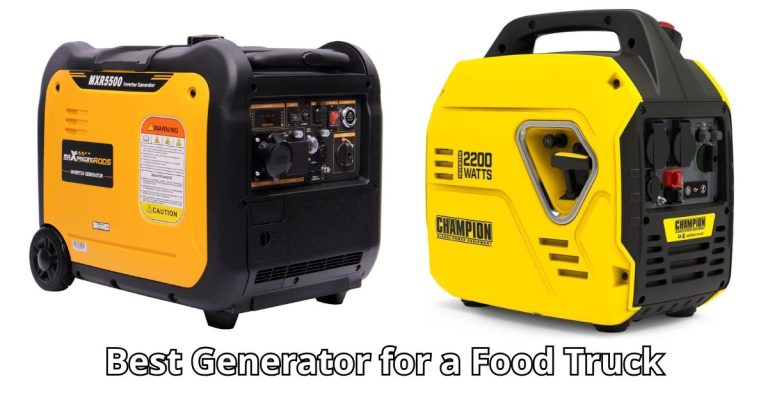
When selecting a quiet propane generator, consider several key features. Noise level rating is crucial. Look for models with a decibel rating under 60 dB. This ensures a quieter operation. Inverter technology is another important feature. Inverter generators are quieter and more efficient. They adjust the engine speed to match the power needed. This reduces noise and fuel consumption. Portability matters too. A lightweight generator is easier to move. Look for models with built-in handles or wheels. This makes transportation simpler. Lastly, check for a soundproof design. Some generators have insulated covers. These reduce noise significantly.Top Quiet Models
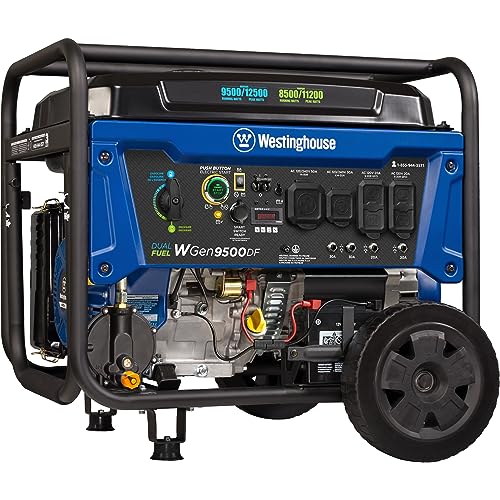
Several propane generators stand out for their quiet operation. The Champion 3400-Watt Dual Fuel Inverter is a popular choice. It operates at a low 59 dB. It is also portable and efficient. The Westinghouse iGen4500DF is another top model. It runs at 52 dB, making it very quiet. It has inverter technology and is easy to move. The Briggs & Stratton P4500 PowerSmart Series offers quiet performance too. It operates at 58 dB. It features a compact design and smart technology. Each of these models provides reliable power with minimal noise. They are excellent options for anyone needing a quiet propane generator. “`Maintaining Noise Levels
Maintaining noise levels in propane generators is crucial for a peaceful environment. Propane generators can be quieter than other types. But they still need proper care to keep noise in check.
Regular Maintenance Tips
Regular maintenance can help reduce noise. Always check the generator’s parts. Loose parts can create extra noise. Tighten any loose bolts or screws. Clean the air filter often. A dirty filter can make the engine work harder and louder. Change the oil regularly. Fresh oil helps the engine run smoothly and quietly.
Installation Considerations
Where you install your generator matters. Place it on a firm surface. This helps reduce vibrations. Keep it away from walls and corners. These areas can amplify sound. Use a soundproof enclosure. It can significantly lower the noise level. Ensure there is enough ventilation. Proper airflow keeps the generator cool and quiet.
Real-world Applications
Propane generators are known for their quieter operation compared to traditional gasoline models. Many users find them suitable for residential and camping use due to this feature. Their reduced noise levels make them a popular choice for those seeking a peaceful environment.
Propane generators are known for their efficiency and reliability. But are they quiet enough for real-world applications? Let’s explore their use in different settings.Residential Use
In residential areas, noise levels matter a lot. Quiet propane generators are a great choice for homeowners. They offer power without disturbing the peace.- Backup Power: Many families use propane generators during power outages. They are quiet, ensuring the home remains peaceful.
- Outdoor Activities: These generators are ideal for camping and tailgating. They provide power without the loud noise.
Commercial Use
Businesses often need reliable power sources. Quiet propane generators are perfect for various commercial applications.| Application | Benefits |
|---|---|
| Retail Stores | Continuous power without disturbing customers. |
| Construction Sites | Efficient operation with minimal noise. |
| Office Buildings | Backup power that doesn’t disrupt work. |

Credit: powerequipment.honda.com
Future Of Quiet Propane Generators
The future of quiet propane generators is bright. Technological advances are making them quieter and more efficient. This ensures a peaceful environment while maintaining power reliability. Let’s explore the emerging trends and potential improvements in this field.
Emerging Trends
Several trends are shaping the future of quiet propane generators. These trends focus on reducing noise levels while improving performance.
- Advanced Soundproofing: New materials and designs are making generators quieter.
- Smart Technology Integration: Smart tech helps monitor and control noise levels.
- Hybrid Models: Combining propane with other power sources reduces noise further.
- Eco-Friendly Designs: Environmentally friendly designs also focus on noise reduction.
Potential Improvements
There is always room for improvement. The following potential advancements could make quiet propane generators even better.
- Enhanced Insulation: Better insulation materials could further reduce noise.
- Quieter Engines: Engine design innovations could cut down on sound output.
- Improved Mufflers: New muffler technologies could make significant noise reductions.
- Optimized Airflow: Improved airflow systems could minimize operational noise.
These improvements will enhance user experience and environmental harmony. They will also make propane generators a more attractive option for many users.
Frequently Asked Questions
Are Propane Generators Quieter Than Gas Generators?
Yes, propane generators are generally quieter than gas generators. They produce less noise due to their cleaner combustion process.
How Loud Are Propane Generators?
Propane generators typically produce 50-70 decibels of noise. This is similar to normal conversation or background music.
Can You Use Propane Generators In Residential Areas?
Yes, propane generators are suitable for residential areas. Their quieter operation makes them less disruptive to neighbors.
What Factors Affect Propane Generator Noise Levels?
Several factors affect noise levels, including engine size, load, and generator design. Proper maintenance also helps reduce noise.
Conclusion
Propane generators can be quieter than other types. Their noise level depends on the model and usage. Regular maintenance helps keep them running smoothly and quietly. They offer a reliable power source for various needs. Consider your specific requirements when choosing a generator.
Always check the decibel ratings before purchase. This ensures you get the quietest option for your home or business. Investing in a propane generator can bring peace of mind and reduce noise pollution.