8D Vs 4D Battery: Ultimate Comparison for Power and Performance
When it comes to choosing the right battery for your vehicle, you might have come across terms like 8D and 4D battery. But what do these numbers really mean, and how do they affect your car’s performance?
If you want to make sure your vehicle runs smoothly and lasts longer, understanding the difference between 8D and 4D batteries is essential. You’ll discover the key features, benefits, and drawbacks of each type so you can make the best choice for your needs.
Keep reading, because the right battery could save you time, money, and frustration down the road.
Credit: news.thomasnet.com
Battery Size And Dimensions
Battery size and dimensions play a key role in choosing the right battery for your vehicle. Size affects not only the battery’s fit but also its power and capacity. Understanding the differences between 8D and 4D batteries helps you pick the correct option.
Physical Differences Between 8d And 4d
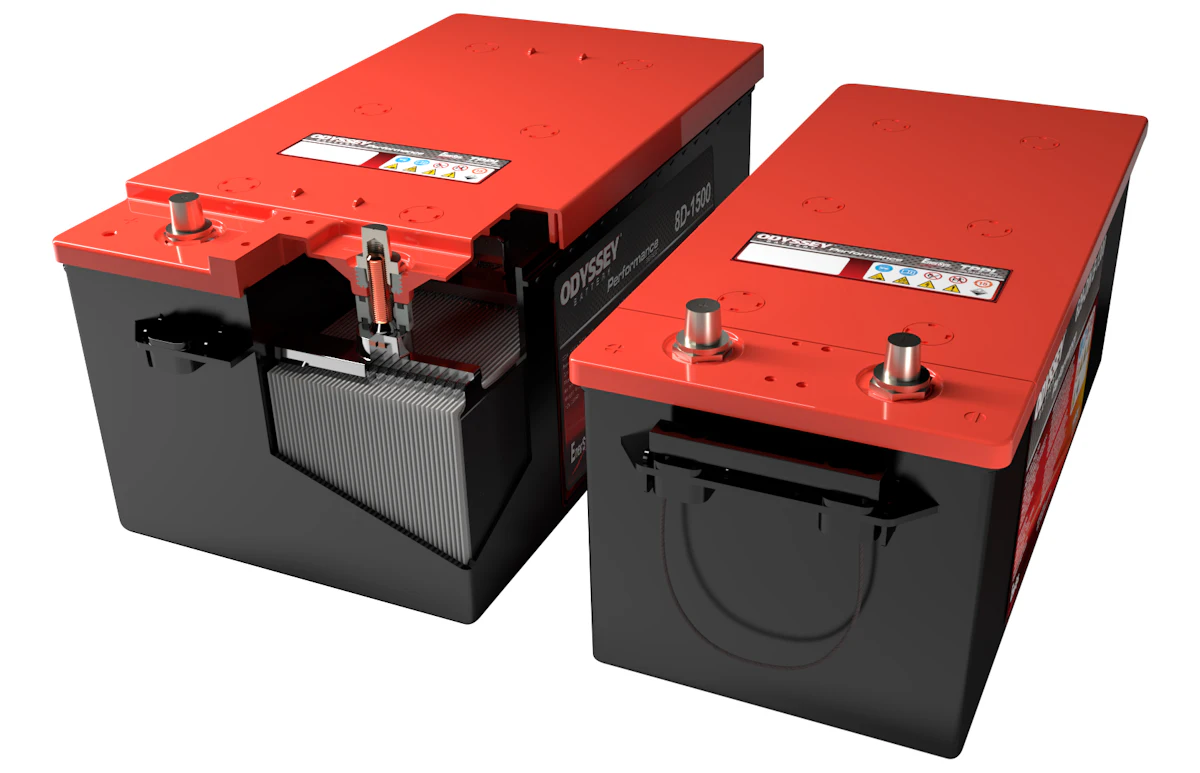
8D batteries are larger than 4D batteries. An 8D battery measures about 20 inches long, 10 inches wide, and 9 inches tall. The 4D battery is smaller, roughly 17 inches long, 7 inches wide, and 10 inches tall. The 8D battery also weighs more. This size difference means the 8D holds more lead plates and electrolyte. That leads to higher power capacity and longer life in heavy-duty use.
Impact On Vehicle Compatibility
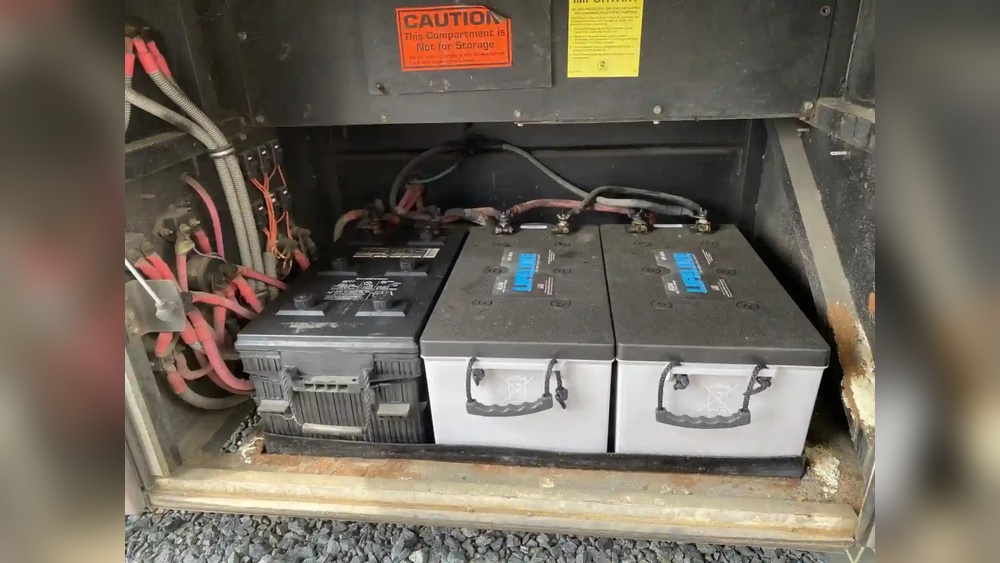
The size difference affects where these batteries fit in vehicles. 8D batteries suit larger trucks, buses, and industrial machines. They need more space under the hood or battery compartment. 4D batteries fit medium to large trucks and some SUVs. Using the wrong battery size can cause installation problems. It may also affect the battery’s performance and safety. Always check your vehicle’s battery tray size before buying.
Credit: www.ccjdigital.com
Power Capacity Comparison
Understanding the power capacity of 8D and 4D batteries helps you choose the right one. Each battery type has different strengths for various uses. The power capacity affects how well the battery starts your engine and how long it lasts without charging.
Both 8D and 4D batteries are large and powerful. They suit heavy-duty vehicles and equipment. Still, their power ratings vary in important ways. These differences impact performance and reliability.
Cold Cranking Amps (cca) Analysis
Cold Cranking Amps measure a battery’s ability to start an engine in cold weather. Higher CCA means better starting power in low temperatures. 8D batteries usually have higher CCA ratings than 4D batteries.
This makes 8D batteries better for very cold climates. They deliver more power quickly to the starter motor. 4D batteries work well but may struggle in extreme cold.
Reserve Capacity And Runtime
Reserve Capacity shows how long a battery can run without the engine. It indicates how long electrical devices stay powered during an engine off condition. 8D batteries often have longer reserve capacity than 4D batteries.
This means 8D batteries provide power for a longer time if the alternator fails. 4D batteries have good reserve capacity but usually less than 8D. Choose based on how long you need backup power.
Performance In Various Conditions
Performance in various conditions is crucial for choosing between 8D and 4D batteries. Both types face challenges in different environments. Understanding their strengths helps pick the right battery for your needs.
Effectiveness In Extreme Temperatures
Extreme heat can reduce battery power quickly. 8D batteries handle heat better due to larger size and cooling space. They maintain energy longer in hot climates.
Cold weather drains battery charge fast. 4D batteries warm up quicker, offering better starts in cold. Still, 8D batteries provide steady power in freezing conditions.
Durability And Lifespan
8D batteries generally last longer under heavy use. Their larger plates resist wear and tear. This means fewer replacements over time.
4D batteries are smaller and lighter but wear out faster. They suit lighter use and smaller vehicles. Regular checks keep them reliable and safe.
Cost And Value Assessment
Assessing cost and value helps to choose the right battery for your needs. Price is important, but the battery’s performance matters too. Comparing costs with the power you get shows real value. This section breaks down these factors for 8D and 4D batteries.
Price Differences
8D batteries usually cost more than 4D batteries. This is because 8D batteries have larger size and more power capacity. The higher price fits their bigger build and longer lifespan. 4D batteries are smaller and cheaper, making them good for lighter uses. Choosing between them depends on your budget and power needs.
Cost Per Performance Unit
Cost per performance unit shows how much you pay for each unit of power. Even if 8D batteries cost more, they often give better value per unit of power. 4D batteries cost less but may need replacing sooner. Calculating this cost helps to find the most efficient choice. Consider how long the battery lasts and how much power it delivers.
Application Suitability
Choosing the right battery depends on where and how you plan to use it. Both 8D and 4D batteries serve different needs. Knowing their best uses helps in making the right choice. Each type fits certain applications better than others.
Best Use Cases For 8d Batteries
8D batteries are large and powerful. They work well in heavy-duty vehicles. Trucks and buses often use 8D batteries. These batteries provide long-lasting power for big engines. They also suit industrial machines needing strong energy supply. Their size fits well in large battery compartments. If you need a battery for long trips or heavy loads, 8D is ideal.
Best Use Cases For 4d Batteries
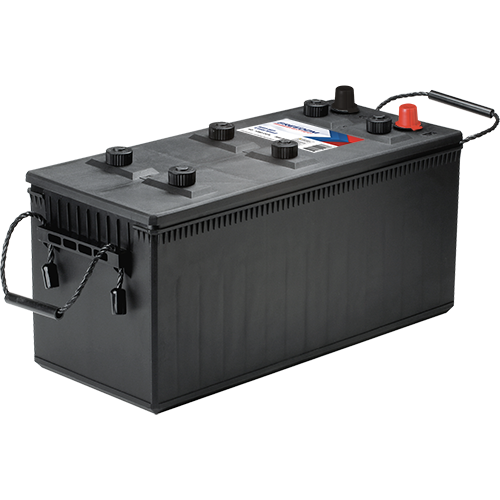
4D batteries are smaller than 8D but still strong. They fit medium-sized trucks and vans. These batteries suit vehicles with less space for batteries. 4D batteries are good for forklifts and construction equipment too. They offer reliable power for work machines with moderate energy needs. Use 4D batteries for applications needing balance of size and power.
Credit: www.freedom-batteries.com
Maintenance And Handling
Maintenance and handling play a key role in battery performance and lifespan. Choosing between 8D and 4D batteries involves understanding how each type needs care. Proper handling prevents damage and ensures safety. Regular maintenance keeps the battery working well over time.
Ease Of Installation
4D batteries are smaller and lighter than 8D batteries. This makes 4D batteries easier to carry and install. They fit well in tight spaces and require less effort. 8D batteries are larger and heavier. Installing 8D batteries may need more strength and space. Both types need careful handling to avoid damage during installation.
Maintenance Requirements
Both 8D and 4D batteries need regular checks for optimal use. Checking the terminals for corrosion is important. Cleaning terminals helps maintain good connections. Water levels in batteries must be checked and topped up if low. 8D batteries usually have larger cells, so maintenance can take more time. 4D batteries require less water and simpler upkeep. Regular charging and avoiding deep discharges help prolong battery life.
Environmental Impact
Batteries play a big role in pollution and waste. Understanding their environmental impact helps us make better choices. Both 8D and 4D batteries affect the planet differently. Their size, use, and disposal matter a lot. Let’s explore their impact on the environment.
Recyclability
Recycling batteries reduces harmful waste in landfills. Both 8D and 4D batteries contain metals that can be reused. The larger 8D batteries often have more materials to recycle. This means more effort and cost to handle safely. 4D batteries are smaller, making recycling simpler. Proper recycling prevents toxic chemicals from leaking into soil and water.
Energy Efficiency
Energy efficiency affects how long batteries last and how often we replace them. 8D batteries usually provide higher power for longer times. This can mean fewer replacements and less waste over time. 4D batteries may need more frequent changes. Using energy-efficient batteries lowers the total environmental burden. It reduces the need for mining new materials and manufacturing new batteries.
Frequently Asked Questions
What Are The Size Differences Between 8d And 4d Batteries?
8D batteries are larger and heavier than 4D batteries. 8D offers more power and longer life. Size impacts vehicle compatibility and installation space.
Which Battery Lasts Longer, 8d Or 4d?
8D batteries generally last longer due to higher capacity. They handle heavy-duty applications better. 4D batteries suit moderate power needs and lighter use.
Are 8d Batteries Better For Heavy Vehicles?
Yes, 8D batteries deliver higher cranking power ideal for trucks and buses. They support heavy loads and longer engine starts compared to 4D batteries.
Can 4d Batteries Replace 8d Batteries?
4D batteries can replace 8D only if size and power fit. Usually, 8D batteries provide more capacity, making direct replacement uncommon without modifications.
Conclusion
Choosing between 8D and 4D batteries depends on your needs. 8D batteries offer more power and longer life. 4D batteries are lighter and easier to handle. Both have their uses in different vehicles or machines. Consider the size, weight, and power you require.
Think about how often you use your device or vehicle. This way, you pick the best battery that suits you well. Understanding these differences helps you make a smart choice. Battery selection is simple once you know what matters most.