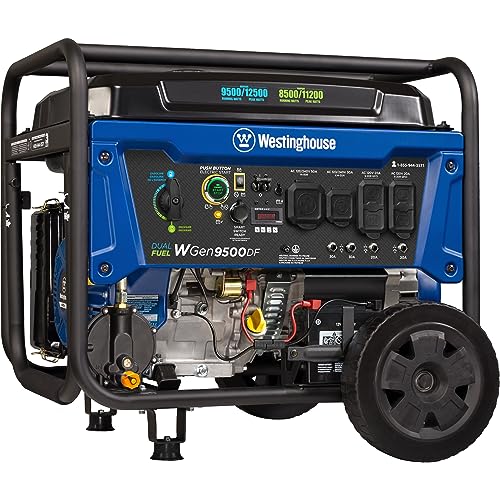
Dual Fuel Vs Tri Fuel Generator: Which is Right for You?
Choosing between a dual fuel and a tri fuel generator can be challenging. Both have unique benefits, but which one suits your needs best?
Generators are essential for providing backup power during outages. Dual fuel generators run on two types of fuel, while tri fuel generators can use three. This comparison will help you understand the differences. It will also highlight the pros and cons of each option.
Whether you need a generator for home use or outdoor activities, this guide will help you make an informed decision. Understanding these generators’ features can save you time and money. By the end of this article, you’ll know which generator is the best fit for your power needs.
Introduction To Fuel Generators
Fuel generators are essential devices for providing power during outages. They are also useful for outdoor activities. Dual fuel and tri fuel generators are popular choices. These generators run on more than one type of fuel. This flexibility makes them very convenient.
Types Of Fuel Generators
There are different types of fuel generators available. Each type has its own advantages. Here are the main types:
- Single Fuel Generators: Run on one type of fuel, usually gasoline.
- Dual Fuel Generators: Can run on two types of fuel, typically gasoline and propane.
- Tri Fuel Generators: Can use three types of fuel: gasoline, propane, and natural gas.
Importance Of Choosing The Right Generator
Choosing the right generator is crucial. It ensures you have power when needed. Here are a few reasons why it’s important:
- Fuel Availability: Different fuels may be available in different locations. A generator that uses multiple fuels offers flexibility.
- Cost Efficiency: Some fuels are cheaper than others. A multi-fuel generator allows you to choose the most cost-effective option.
- Ease of Use: Dual and tri fuel generators offer more options. This can make them easier to use in different situations.
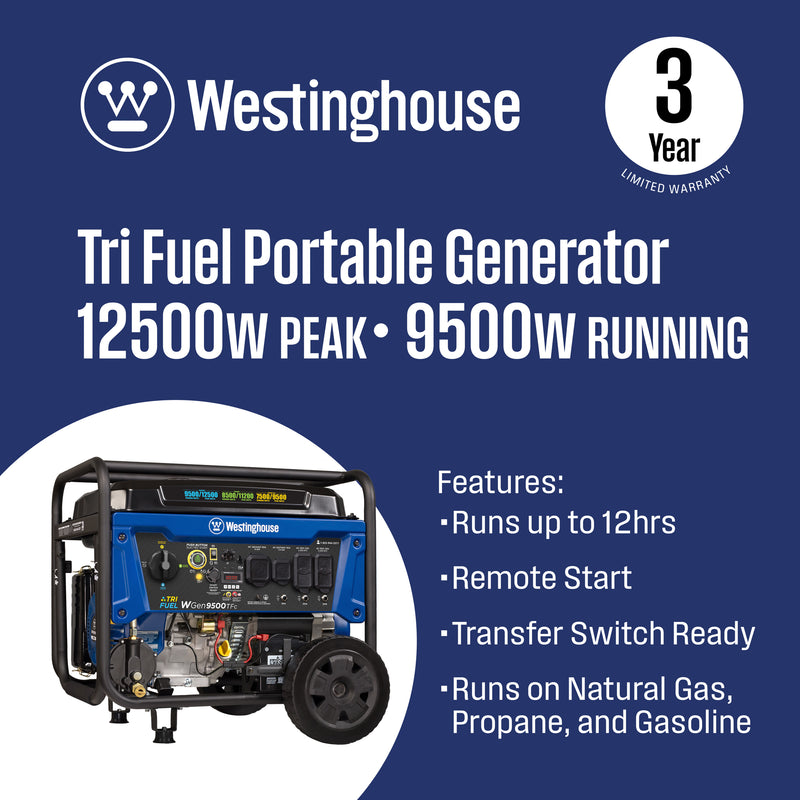
Credit: westinghouseoutdoorpower.com
Understanding Dual Fuel Generators
Dual fuel generators offer flexibility by running on either gasoline or propane. Tri fuel generators add natural gas to the mix. Both options provide power options during emergencies.
Dual fuel generators are versatile and reliable. They can run on two types of fuel, usually gasoline and propane. This flexibility makes them a popular choice for home backup and outdoor activities.What Is A Dual Fuel Generator?
A dual fuel generator is a generator that can operate on two types of fuel. Typically, these fuels are gasoline and propane. This dual capability allows users to switch between fuels based on availability and cost. Here is a simple breakdown:| Fuel Type | Availability | Cost |
|---|---|---|
| Gasoline | Widely available | Moderate |
| Propane | Common in rural areas | Less expensive |
Advantages Of Dual Fuel Generators
Dual fuel generators have several advantages:- Fuel Flexibility: Use gasoline or propane, depending on what’s available.
- Extended Runtime: Switch fuels to extend the generator’s operating time.
- Cost Savings: Choose the cheaper fuel to save money.
- Environmental Benefits: Propane burns cleaner than gasoline, reducing emissions.
Common Uses For Dual Fuel Generators
People use dual fuel generators in various scenarios:- Home Backup Power: Keep essential appliances running during power outages.
- Camping and RVing: Provide reliable power for outdoor adventures.
- Construction Sites: Power tools and equipment in remote locations.
- Events and Parties: Ensure a steady power supply for outdoor events.
Exploring Tri Fuel Generators
Tri fuel generators offer a unique advantage. They can run on three different types of fuel: gasoline, propane, and natural gas. This versatility makes them a great choice for various situations. Let’s dive deeper into what makes them special.
What Is A Tri Fuel Generator?
A tri fuel generator is a generator that can use three types of fuel. These are gasoline, propane, and natural gas. This feature allows users to switch between fuels based on availability and preference. It is designed to provide flexibility and reliability, especially during emergencies.
Advantages Of Tri Fuel Generators
Tri fuel generators offer several benefits. First, they provide flexibility. If one type of fuel is scarce, you can use another. This ensures you always have power. Second, they are cost-effective. You can choose the cheapest fuel available. This can save money over time.
Third, they are convenient. You do not need to store large amounts of one type of fuel. This makes them safer and more practical for home use. Finally, they offer peace of mind. Knowing you have multiple fuel options can reduce stress during power outages.
Common Uses For Tri Fuel Generators
Tri fuel generators are versatile. They can be used in many situations. One common use is for home backup power. They keep essential appliances running during power outages. This includes refrigerators, lights, and medical equipment.
They are also great for outdoor activities. Camping trips, tailgating, and RV travels often require reliable power. Tri fuel generators provide this power. They are also useful for job sites. Construction sites often need portable power sources. A tri fuel generator can easily meet this need.
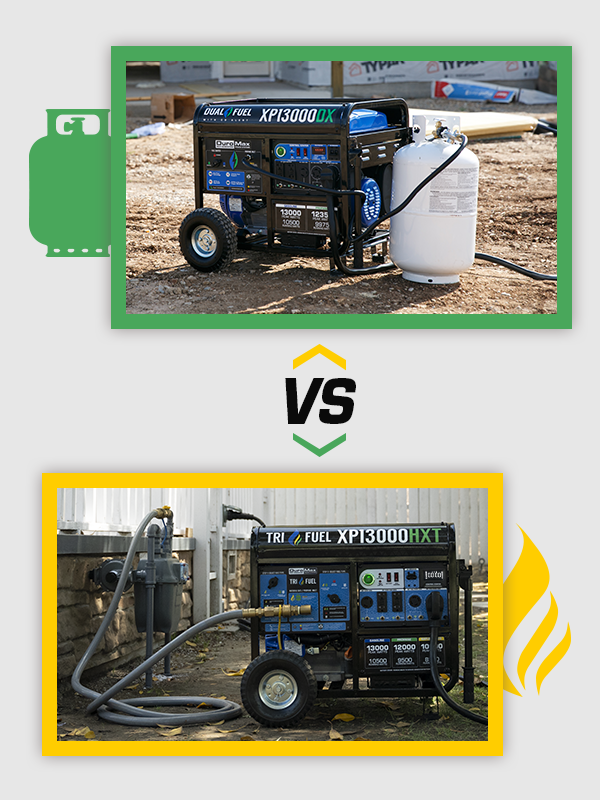
Credit: www.duromaxpower.com
Fuel Options And Flexibility
Choosing between a dual fuel and a tri fuel generator involves understanding their fuel options and flexibility. This feature is crucial for reliability and convenience during power outages. Let’s explore the fuel types used and their availability and convenience.
Fuel Types Used
Dual fuel generators use gasoline and propane. They switch easily between these fuels. Gasoline is common and easy to find. Propane offers a cleaner burn and longer shelf life.
Tri fuel generators add natural gas to the mix. This third option provides even more flexibility. Natural gas is often available through home pipelines. It ensures a continuous fuel supply without storage concerns.
Fuel Availability And Convenience
Fuel availability impacts generator usability. Gasoline is widely available at gas stations. Propane can be bought at many stores and is stored in tanks. Both fuels are easy to access during an emergency.
Natural gas, used by tri fuel generators, comes directly from the supply line. This means no trips to the store for fuel. It offers a constant supply as long as the gas line is intact. The convenience of this setup can be a significant advantage during prolonged outages.
Cost Considerations
When deciding between a dual fuel and tri fuel generator, cost is an important factor. Both types offer unique advantages, but understanding their costs can help you make a better decision. This section will break down the costs associated with each type of generator.
Initial Purchase Cost
Initial purchase cost can vary significantly between dual fuel and tri fuel generators. Generally, dual fuel generators are less expensive. They are simpler in design and have fewer components. This makes them a good choice if you are on a tight budget.
Tri fuel generators, on the other hand, tend to be more expensive. They offer greater flexibility and versatility. This added complexity raises the initial cost. Here is a simple comparison:
| Type | Average Cost (USD) |
|---|---|
| Dual Fuel Generator | $500 – $1,200 |
| Tri Fuel Generator | $1,000 – $2,000 |
Operational And Maintenance Costs
Operational and maintenance costs also play a crucial role. Dual fuel generators can run on either gasoline or propane. Gasoline is usually less expensive but needs frequent refilling. Propane costs more but burns cleaner and lasts longer.
Tri fuel generators add natural gas to the mix. This can lower operating costs if natural gas is available and cheap in your area. The cost of fuel will vary based on your location and usage patterns.
Maintenance costs can differ too. Dual fuel generators are simpler and often have lower maintenance needs. Tri fuel generators have more parts and may need more frequent servicing. Here are some points to consider:
- Fuel availability: Ensure fuel type is easily accessible.
- Fuel cost: Compare local prices for gasoline, propane, and natural gas.
- Maintenance frequency: Check the manufacturer’s guidelines for each generator type.
Understanding these factors can help you choose the right generator for your needs. Consider both initial and ongoing costs to make a well-informed decision.
Performance And Efficiency
Choosing between a dual fuel and a tri fuel generator can be challenging. It’s essential to understand their performance and efficiency. This section will help you make an informed decision.
Power Output
Power output is crucial. Dual fuel generators run on gasoline and propane. Tri fuel generators run on gasoline, propane, and natural gas. The power output varies based on the fuel type.
- Gasoline: Both types provide maximum power with gasoline.
- Propane: Dual and tri fuel generators offer slightly less power with propane.
- Natural Gas: Tri fuel generators support natural gas, but with reduced power.
Tri fuel generators are versatile. Dual fuel generators are simpler but less flexible.
Fuel Efficiency
Fuel efficiency affects running costs. Dual fuel generators are efficient with gasoline and propane.
| Fuel Type | Dual Fuel Generator | Tri Fuel Generator |
|---|---|---|
| Gasoline | High Efficiency | High Efficiency |
| Propane | Moderate Efficiency | Moderate Efficiency |
| Natural Gas | Not Available | Lower Efficiency |
Tri fuel generators offer more fuel choices. But natural gas is less efficient.
Reliability And Durability
Reliability and durability are key factors. Dual fuel generators have fewer components. This makes them less prone to mechanical issues.
Tri fuel generators have more complex systems. This can lead to more maintenance needs. Both types are built to last but consider your maintenance capacity.
- Dual fuel: Simpler design, fewer issues.
- Tri fuel: Complex design, more maintenance.
Choose based on your usage and maintenance ability.
Environmental Impact
Choosing the right generator involves considering its environmental impact. Both dual fuel and tri fuel generators have different effects on the environment. Understanding these impacts can help you make a better choice.
Emissions And Pollution
Dual fuel generators use gasoline and propane. Gasoline produces more carbon dioxide (CO2) and other pollutants. Propane burns cleaner and reduces emissions. Using propane helps lower your carbon footprint.
Tri fuel generators can use gasoline, propane, and natural gas. Natural gas burns the cleanest among the three fuels. It releases fewer greenhouse gases and reduces air pollution. This makes tri fuel generators more environmentally friendly.
Noise Levels
Noise pollution is another concern with generators. Dual fuel generators often produce more noise. This is due to the type of engines they use. Gasoline engines are typically louder.
Tri fuel generators can be quieter. Using natural gas usually results in less noise. This makes them a better choice for noise-sensitive areas.
Noise level comparison:
- Gasoline: High noise levels
- Propane: Moderate noise levels
- Natural Gas: Low noise levels
Making The Right Choice
Choosing between a dual fuel and tri fuel generator can be challenging. Each type offers unique benefits that might suit different needs. To decide, you must consider various factors. Let’s explore these considerations to help you make an informed choice.
Assessing Your Needs
First, evaluate your power needs. Think about the devices and appliances you want to run. Dual fuel generators often run on gasoline and propane. Tri fuel generators add natural gas to the mix. Consider the availability of these fuels in your area.
Next, consider the duration of power outages. If you experience frequent or long outages, a tri fuel generator might be more versatile. Also, think about the ease of switching between fuels. This can impact convenience during emergencies.
Comparing Dual And Tri Fuel Generators
Dual fuel generators usually cost less than tri fuel models. They are simpler and have fewer components. This can mean lower maintenance needs. But they offer less flexibility in fuel choices.
Tri fuel generators offer more fuel options. This can be helpful in a fuel shortage. They tend to be more complex and may require more maintenance. The extra cost might be worth it for the added versatility.
Final Decision Factors
Consider your budget. Dual fuel generators are usually cheaper. But think about long-term costs, including maintenance and fuel. Think about the environment. Propane and natural gas burn cleaner than gasoline. If you care about emissions, this might influence your choice.
Finally, think about ease of use. Some people prefer the simplicity of dual fuel generators. Others appreciate the flexibility of tri fuel models. Your comfort and familiarity with different fuels can guide your decision.

Credit: westinghouseoutdoorpower.com
Frequently Asked Questions
What Is A Dual Fuel Generator?
A dual fuel generator runs on two types of fuel, typically gasoline and propane. It offers flexibility and convenience. Switching between fuels can be done easily, providing reliability during power outages.
How Does A Tri Fuel Generator Work?
A tri fuel generator operates on three types of fuel: gasoline, propane, and natural gas. This versatility ensures continuous power availability. Users can switch between fuels to suit their needs and fuel availability.
Which Is More Cost-effective, Dual Or Tri Fuel?
Cost-effectiveness depends on fuel prices and usage. Dual fuel generators may be cheaper initially. Tri fuel generators offer more versatility and potentially lower operating costs.
Are Tri Fuel Generators More Versatile?
Yes, tri fuel generators are more versatile. They can run on gasoline, propane, and natural gas. This versatility makes them adaptable to different fuel availability and user needs.
Conclusion
Choosing between dual fuel and tri fuel generators depends on your needs. Dual fuel generators are simpler and less costly. Tri fuel generators offer more flexibility with fuel options. Think about your location, fuel availability, and budget. Both types provide reliable power during outages.
Make sure to consider maintenance and ease of use. Remember, the best generator for you is the one that fits your specific requirements. Stay prepared and choose wisely.