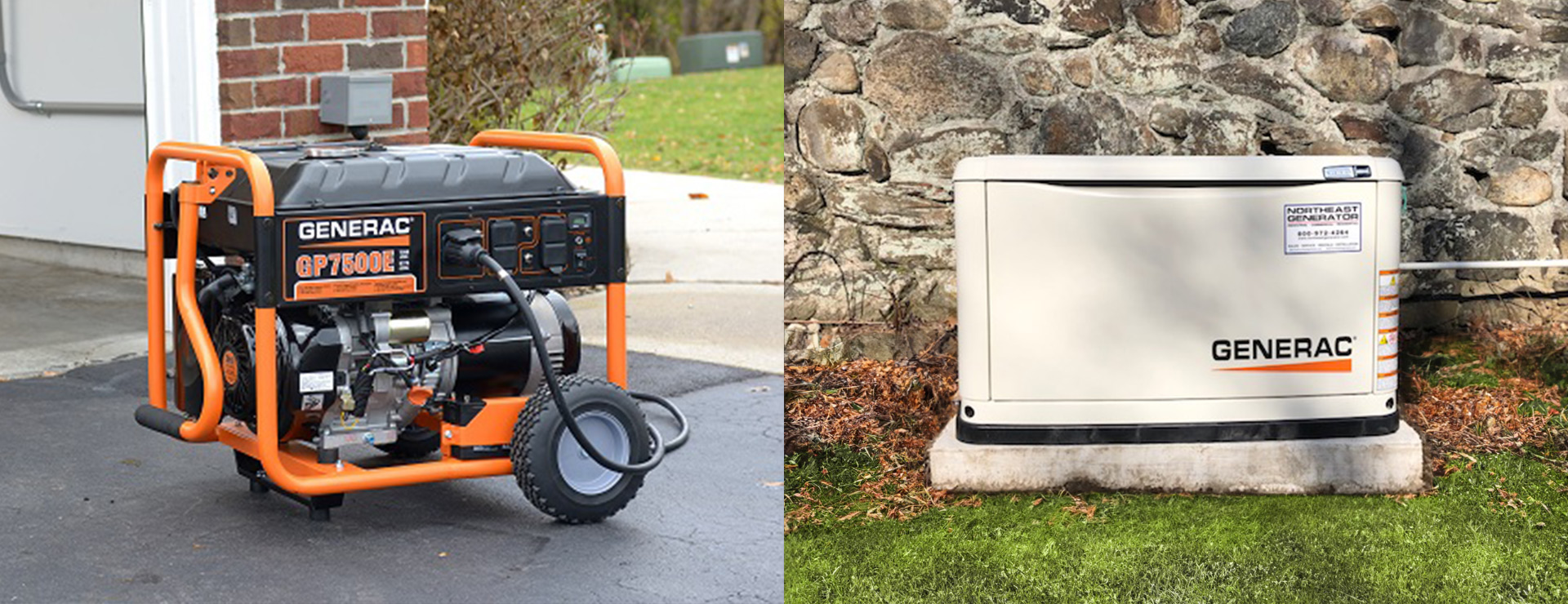
Portable Generator Vs Standby Generator: Which One is Right for You?
When considering backup power, two main options come up: portable generators and standby generators. Each has unique features and benefits.
Choosing between a portable generator and a standby generator can be challenging. Both provide backup power during outages, but they serve different needs. Portable generators are versatile and easy to move around. They are ideal for short-term power needs and smaller budgets.
On the other hand, standby generators are permanent fixtures. They offer seamless, automatic power during outages. Understanding their differences helps you make an informed decision. This guide will explore the pros and cons of each. By the end, you will know which type suits your needs best. Let’s dive in and compare portable generators to standby generators.

Credit: vtoman.com
Portable Generators
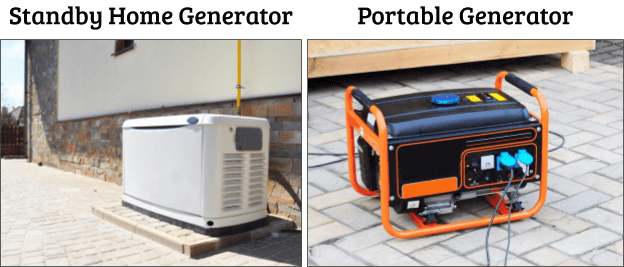
Portable generators offer mobility and flexibility for temporary power needs. Standby generators provide permanent, automatic backup for homes or businesses. Both have unique advantages.
Portable generators offer a versatile solution for temporary power needs. These units are ideal for short-term power outages or outdoor activities. Their compact size allows for easy storage and transport. They are widely used in homes, construction sites, and camping trips.Features
Portable generators come with various features to enhance user convenience. Many models include multiple outlets for plugging in different devices. They often have built-in fuel tanks for extended use. Some units offer electric starters for easy operation. Others come with wheels and handles, making them more mobile.Pros And Cons
Portable generators have many advantages. They are easy to move from place to place. They can power essential devices during short outages. They are also relatively affordable. Despite these benefits, there are some downsides. Portable generators usually have smaller fuel tanks. This means they need frequent refueling. They also produce noise, which can be disturbing. They may not provide enough power for large homes or heavy-duty equipment.Standby Generators
Standby generators provide a reliable power solution for homes and businesses. They automatically kick in during a power outage. These generators are permanently installed outside the building. They are connected directly to the electrical system. They can run on natural gas or liquid propane. Standby generators are powerful and efficient.
They offer peace of mind during emergencies. They ensure that essential appliances and systems keep running. Standby generators are a solid investment for any property. They require less manual intervention. This makes them convenient and user-friendly.
Features
Standby generators have several key features. They include automatic transfer switches. These switches detect power loss and start the generator. They also have weather-resistant enclosures. This protects them from harsh conditions. Most models feature self-diagnostic tools. This helps in maintaining the generator. They often come with remote monitoring capabilities. This lets you check their status from anywhere.
Pros And Cons
Standby generators have many advantages. They offer automatic power backup. This means no manual start is needed. They provide continuous power for extended periods. This is crucial during long outages. They are also fuel-efficient. They use natural gas or propane, which are readily available.
But there are some downsides too. Standby generators are expensive to install. They require professional installation. They also need regular maintenance. This adds to the cost. They are not portable. This limits their use to a single location.
Power Needs
Choosing between a portable generator and a standby generator involves assessing your power needs. Understanding what you need will help you make the right decision. Power needs vary from one household to another. Knowing your requirements can help you decide which generator fits best.
Assessing Your Power Requirements
Begin by listing the essential devices and appliances you need during a power outage. Consider items like refrigerators, lights, and medical equipment. Determine the wattage each item uses. Add up the total wattage to understand your power needs. This step is crucial for both portable and standby generators.
Power Output Comparison
Portable generators typically provide 3,000 to 8,000 watts. They are suitable for small to medium power needs. Standby generators offer 7,000 to 20,000 watts or more. They can power entire homes and larger equipment. Comparing power output helps you determine which generator meets your requirements.
Credit: hedgehogelectric.com
Cost Considerations
When deciding between a portable generator and a standby generator, cost is a major factor. Both types of generators have different expenses that can impact your budget. In this section, we will break down the cost considerations into initial investment and long-term costs.
Initial Investment
The initial investment for portable generators is generally lower compared to standby generators. Portable generators can range from $500 to $2,500. Their affordability makes them an attractive option for many households.
Standby generators, on the other hand, are more expensive. The cost of a standby generator can range from $3,000 to $10,000 or more. This higher price includes the generator itself and the installation process. Installation requires professional help, which adds to the cost.
Long-term Costs
Long-term costs involve fuel, maintenance, and potential repairs. Portable generators often use gasoline or propane, which can be costly over time. They also require more frequent maintenance.
Standby generators usually run on natural gas or liquid propane. These fuels are more efficient and can be cheaper in the long run. Maintenance for standby generators is less frequent but can be more expensive when needed.
To summarize the costs, here is a comparison table:
| Cost Type | Portable Generator | Standby Generator |
|---|---|---|
| Initial Investment | $500 – $2,500 | $3,000 – $10,000+ |
| Fuel Costs | Higher (Gasoline/Propane) | Lower (Natural Gas/Liquid Propane) |
| Maintenance | Frequent | Less Frequent |
| Repairs | Potentially Higher | Potentially Lower |
In conclusion, your choice between a portable and standby generator will largely depend on your budget. Consider both the initial investment and long-term costs before making a decision.
Installation And Maintenance
Choosing between a portable generator and a standby generator involves considering several factors. Installation and maintenance are crucial aspects. Understanding the differences helps you make an informed decision.
Ease Of Installation
Installing a portable generator is straightforward. You just need to place it outdoors, connect it to the appliances, and start it. No professional help is required. This makes it a good option for temporary power needs or emergencies.
On the other hand, a standby generator requires professional installation. It involves placing the generator on a concrete pad and connecting it to your home’s electrical system. The process includes setting up an automatic transfer switch. This ensures the generator starts automatically during a power outage. Professional installation ensures safety and efficiency but adds to the initial cost.
Maintenance Requirements
Portable generators need regular maintenance but are easier to manage. This includes:
- Changing the oil after every 50 hours of use
- Checking the air filter
- Cleaning the spark plug
- Storing it properly when not in use
These tasks are simple and can be done by the owner. Keeping a maintenance schedule ensures the generator runs smoothly during emergencies.
Standby generators require more extensive maintenance. It involves:
- Regular oil changes and filter replacements
- Battery checks and replacements
- Inspecting the fuel system
- Professional annual servicing
Standby generators run weekly self-tests to ensure they are ready for use. A service contract with a professional ensures that all maintenance tasks are handled correctly. This guarantees the generator’s reliability.
In conclusion, the choice between portable and standby generators depends on your power needs and maintenance capabilities. Understanding the installation and maintenance differences helps in making the right choice.
Portability And Usage
Choosing between a portable generator and a standby generator can be tough. Both serve different needs. In this section, we explore their portability and usage.
Mobility
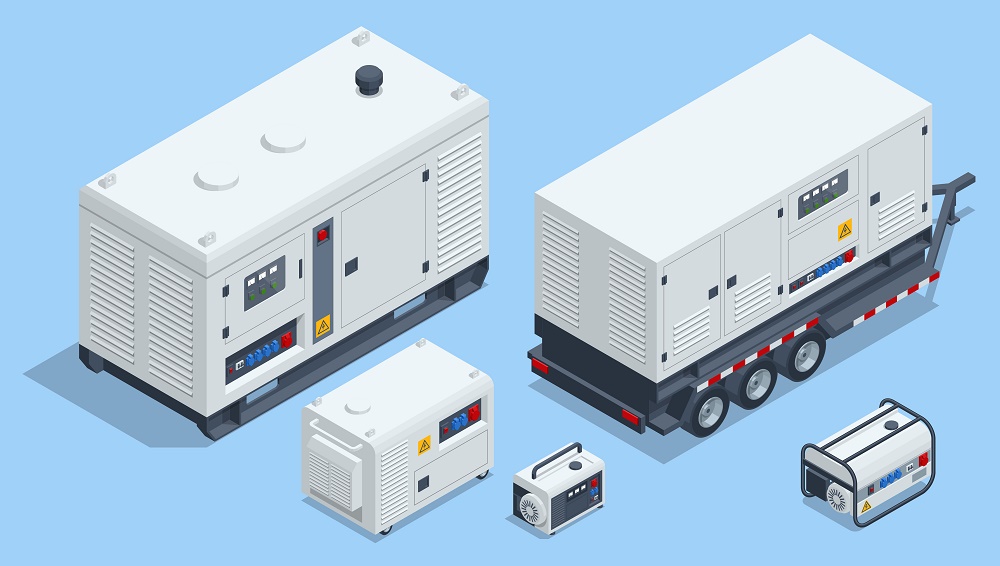
Portable generators are designed for easy movement. They come with wheels and handles. This allows you to move them to different locations. You can use them in your yard, at a campsite, or at a job site. They are light enough for one or two people to carry.
Standby generators are stationary units. They are installed in a fixed position outside your home or business. These generators connect directly to your electrical system. They require professional installation. Once installed, they stay put.
Versatility Of Use
Portable generators are versatile. They can power various devices and appliances. Use them during power outages or outdoor events. Take them on camping trips or to remote job sites. Their flexibility makes them a popular choice.
Standby generators are less versatile in terms of mobility. But they excel in home and business use. They automatically kick in during a power outage. This ensures you have continuous power without manual intervention. They are ideal for homes and businesses that need reliable, long-term backup power.
| Feature | Portable Generator | Standby Generator |
|---|---|---|
| Mobility | High (with wheels and handles) | Low (fixed installation) |
| Versatility | High (suitable for various locations) | Medium (mainly for home or business use) |
| Installation | Easy (no professional help needed) | Complex (requires professional installation) |
Safety Features
When choosing between a portable generator and a standby generator, safety is a top concern. Both types of generators have unique features designed to keep users safe and prevent accidents. This section will discuss the built-in safety mechanisms and operation guidelines for both generator types.
Built-in Safety Mechanisms
Portable generators come with various safety features. These include:
- Automatic shut-off when low oil is detected.
- Overload protection to prevent damage.
- Ground Fault Circuit Interrupters (GFCI) to protect against electric shock.
Standby generators offer advanced safety features such as:
- Automatic transfer switches that ensure seamless power transition.
- Enclosed casing to protect from weather and tampering.
- Built-in surge protection to safeguard appliances.
Operation Guidelines
Following proper operation guidelines is crucial for safety. For portable generators, always:
- Use them outdoors to avoid carbon monoxide poisoning.
- Keep them dry and away from water sources.
- Refuel only when the generator is off and cool.
Standby generators require different guidelines:
- Ensure professional installation to avoid risks.
- Perform regular maintenance checks as recommended.
- Keep the surrounding area clear of debris.
Both generator types have essential safety features, but following operation guidelines is equally important. These measures ensure the safety of users and their property.
Environmental Impact
The environmental impact of generators is a key factor to consider. Understanding how portable generators and standby generators affect the environment can help in making an informed choice. Let’s delve into their fuel consumption and emissions to understand their impact.
Fuel Consumption
Portable generators are usually fueled by gasoline, propane, or diesel. These fuels are readily available but can be costly. Portable generators generally consume more fuel per hour than standby generators, which can lead to higher operating costs over time.
Standby generators, on the other hand, often use natural gas or propane. These fuels are more efficient and can be supplied directly to the generator. This setup reduces the need for frequent refueling. Standby generators typically have lower fuel consumption rates, making them more efficient in the long run.
| Generator Type | Fuel Type | Fuel Efficiency |
|---|---|---|
| Portable Generator | Gasoline, Propane, Diesel | Higher Fuel Consumption |
| Standby Generator | Natural Gas, Propane | Lower Fuel Consumption |
Emissions
Portable generators are known to emit higher levels of pollutants. This includes carbon monoxide (CO), nitrogen oxides (NOx), and particulate matter (PM). These emissions can harm the environment and human health.
Standby generators generally produce fewer emissions. They often come with advanced emission control technologies. These technologies reduce the amount of harmful pollutants released into the atmosphere.
- Portable Generators: Higher emissions of CO, NOx, and PM.
- Standby Generators: Lower emissions due to advanced control technologies.
Choosing between a portable and standby generator can have significant environmental implications. Understanding fuel consumption and emissions is crucial for making an eco-friendly decision.
Credit: rpgaspiping.com
Frequently Asked Questions
What Is A Portable Generator?
A portable generator is a movable power device. It provides temporary electrical power. It’s useful during outages and outdoor activities.
How Does A Standby Generator Work?
A standby generator automatically powers up during an outage. It’s permanently installed and connected to your home’s electrical system.
Which Is More Expensive, Portable Or Standby Generator?
Standby generators are generally more expensive. They offer automatic operation and higher power capacity compared to portable generators.
Can A Portable Generator Power A Whole House?
Portable generators can power essential appliances. However, they usually cannot handle the entire electrical load of a house.
Conclusion
Choosing between a portable generator and a standby generator depends on your needs. Portable generators are cost-effective and easy to move. They are great for short-term power outages. Standby generators, on the other hand, offer more power and reliability. They automatically turn on during a blackout.
This makes them ideal for long-term use. Consider your budget and power needs. Portable units suit small homes or occasional use. Standby units are better for larger homes or frequent outages. Evaluate both options carefully to make the right choice.