Primary Vs Secondary Battery: Key Differences You Must Know
When it comes to powering your devices, understanding the difference between primary and secondary batteries can make a big impact on your choices. Are you curious about which battery type suits your needs best?
Whether you want long-lasting power or something that can be recharged again and again, knowing how these batteries work will help you get the most out of your gadgets. Keep reading to discover the key differences, benefits, and which battery could be the perfect match for your daily use.
This simple knowledge could save you time, money, and frustration.
Primary Battery Basics
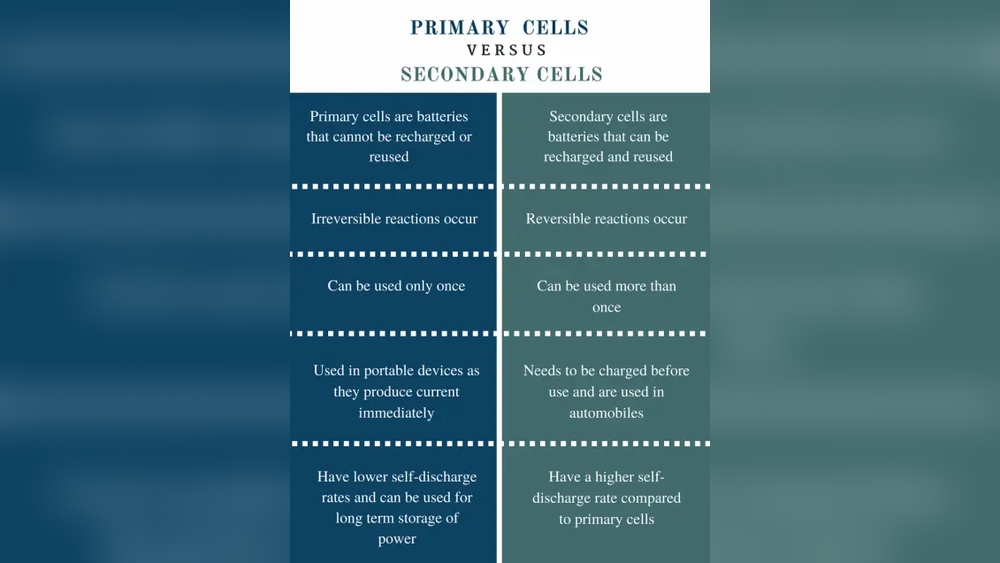
Primary batteries are a common power source in many everyday devices. They store energy that cannot be recharged. Once the energy is used, the battery must be replaced. Understanding primary batteries helps in choosing the right battery for your needs.
These batteries are simple and reliable. They offer a long shelf life and steady power output. Many small gadgets use primary batteries because of their convenience.
What Is A Primary Battery
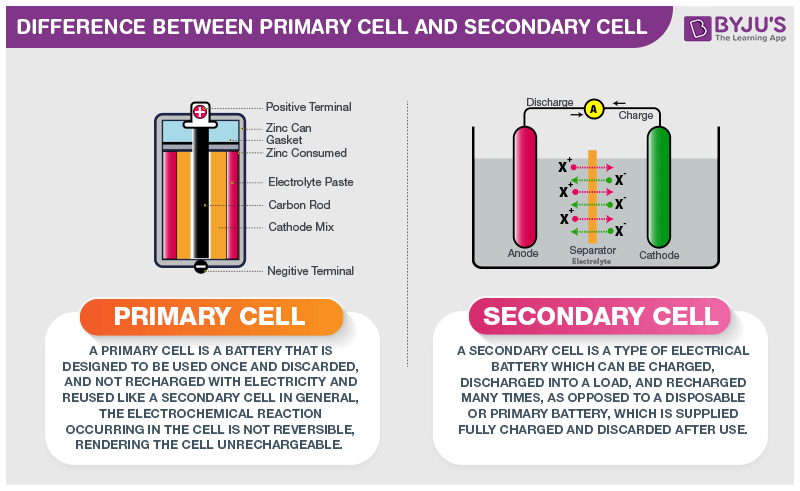
A primary battery is a type of battery that cannot be recharged. It converts chemical energy into electrical energy once. After use, it must be discarded. These batteries are ready to use right out of the package.
They have a fixed lifespan determined by their chemical makeup. The energy stored cannot be restored by electrical means. This makes them easy to use for short-term or emergency power.
Common Types Of Primary Batteries
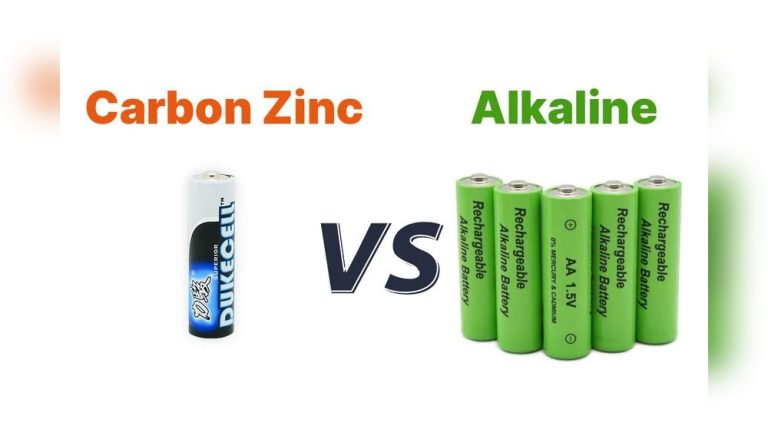
Alkaline batteries are the most common primary batteries. They are affordable and last longer than older types. Zinc-carbon batteries are cheaper but have less capacity.
Lithium primary batteries offer higher energy and work well in extreme temperatures. Silver-oxide batteries are used in small devices like watches. Each type suits different devices based on power needs.
Typical Uses And Applications
Primary batteries power devices like remote controls, flashlights, and clocks. They are ideal for devices used occasionally. Emergency kits often include primary batteries for reliable power.
They work well in toys and portable electronics. Devices that do not require frequent battery changes benefit from primary batteries. Their long shelf life makes them useful for backup power.
Credit: byjus.com
Secondary Battery Basics
Secondary batteries are a key part of today’s energy needs. They can store energy and be used many times. Unlike primary batteries, these can be recharged and reused. This makes them cost-effective and better for the environment.
Secondary batteries power many devices we use daily. From phones to electric cars, they keep things running. Understanding how they work and their types helps in choosing the right battery for any task.
What Is A Secondary Battery
A secondary battery is a rechargeable battery. It stores electrical energy and releases it when needed. After use, it can be charged again. This cycle of charging and discharging can happen many times. The battery has chemicals inside that react to create electricity. These reactions can be reversed during charging.
Popular Secondary Battery Types
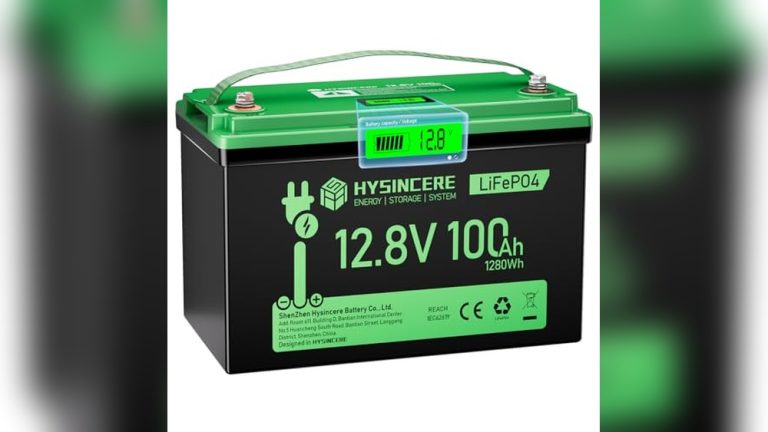
There are several types of secondary batteries. The lithium-ion battery is common in smartphones and laptops. Nickel-metal hydride (NiMH) batteries are often used in hybrid cars. Lead-acid batteries are popular in cars and backup power systems. Each type has strengths and weaknesses. They differ in capacity, weight, and cost.
Common Applications
Secondary batteries power many tools and devices. Mobile phones and laptops rely on lithium-ion batteries. Electric vehicles use large battery packs for power. Backup power systems use lead-acid batteries. Some renewable energy systems store power in secondary batteries. Portable tools like drills also use rechargeable batteries.
Chemical Composition Differences
Batteries store energy using chemical substances. Primary and secondary batteries differ in their chemical makeup. This difference changes how they store and release energy. Understanding these chemical composition differences helps you know their uses better.
Electrochemical Reactions In Primary Batteries
Primary batteries use chemical reactions that happen once. The chemicals inside react to create electric current. After the reaction finishes, the battery cannot be recharged. Common chemicals include zinc and manganese dioxide. These materials make the battery light and cheap. The reaction produces energy until the chemicals run out. This process is simple and reliable for single use.
Electrochemical Reactions In Secondary Batteries
Secondary batteries use reversible chemical reactions. The chemicals change during use but return to their original state when charged. This allows the battery to be used many times. Typical chemicals include lead acid, lithium, and nickel metal hydride. These materials store more energy and last longer. The recharge process restores the chemical balance. This makes secondary batteries ideal for devices needing frequent power.

Credit: www.youtube.com
Rechargeability And Lifespan
Rechargeability and lifespan play a key role in choosing the right battery. Batteries vary in how many times they can be used and how long they last. Understanding these differences helps pick the best option for your needs.
Recharge Cycles Of Secondary Batteries
Secondary batteries can be charged and used many times. Each full recharge counts as one cycle. Most secondary batteries last between 300 and 1000 cycles. After many cycles, their capacity slowly decreases. The battery holds less power with each recharge. Proper care can extend the number of recharge cycles. These batteries are ideal for devices used often.
Limitations Of Primary Batteries
Primary batteries cannot be recharged once drained. They are meant for single use only. Trying to recharge them can cause damage or leaks. Their lifespan depends on storage and usage conditions. These batteries lose power slowly over time, even if unused. They work best in devices with low power needs or emergency use.
Energy Density And Performance
Energy density and performance are key factors in choosing between primary and secondary batteries. Energy density shows how much energy a battery stores in a small space. Performance tells how well the battery works over time. These qualities affect battery life, size, and use in devices. Understanding these differences helps pick the right battery for your needs.
Comparing Energy Output
Primary batteries usually have higher energy density. They store more energy for their size. This makes them good for devices used occasionally, like remote controls. Secondary batteries have lower energy density. But they can be recharged many times. This suits devices that need power often, such as smartphones.
Voltage Stability Over Time
Primary batteries show steady voltage until they drain completely. Their voltage drops quickly at the end. Secondary batteries have more stable voltage. They keep voltage levels consistent during use. This helps devices run smoothly without power dips. But their voltage may slowly decrease after many recharges.
Cost And Environmental Impact
Cost and environmental impact are key factors when choosing between primary and secondary batteries. Each type affects your budget and the planet differently. Understanding these differences helps make better choices.
Initial And Long-term Costs
Primary batteries cost less at first. They are ready to use and do not need charging. But you must replace them after use. Secondary batteries cost more upfront. They recharge and last for many cycles. Over time, they save money and reduce waste.
Recycling And Disposal Concerns
Primary batteries create more waste. Many contain harmful chemicals that pollute soil and water. Disposal requires careful handling. Secondary batteries need recycling too. Their materials can be reused, lowering environmental harm. Proper recycling reduces pollution and conserves resources.
Choosing Between Primary And Secondary
Choosing between primary and secondary batteries depends on your needs. Both types serve different purposes. Knowing their strengths helps pick the right one. This guide explains key points for making a good choice.
Factors To Consider
Think about how often you use the battery. Primary batteries work once and then must be thrown away. Secondary batteries can be charged and used many times. Cost matters too. Primary batteries cost less upfront. Secondary batteries cost more but save money over time. Size and weight are also important. Primary batteries are usually lighter. Secondary batteries may be heavier but last longer. Environmental impact is key. Secondary batteries create less waste since they are reusable.
Best Use Cases For Each Type
Primary batteries suit devices used rarely or for short periods. Examples include remote controls, smoke detectors, and clocks. Secondary batteries are great for gadgets used daily. Think of smartphones, laptops, and electric tools. They perform well in devices needing frequent power. Vehicles with electric motors often use secondary batteries too. Choosing the right battery type improves device performance and saves money.

Credit: www.visblue.com
Frequently Asked Questions
What Is The Main Difference Between Primary And Secondary Batteries?
Primary batteries are single-use and non-rechargeable, while secondary batteries are rechargeable and designed for multiple uses. Primary batteries are ideal for low-drain devices, whereas secondary batteries suit high-drain and reusable applications.
Which Battery Type Lasts Longer In Daily Use?
Secondary batteries typically last longer due to their rechargeable nature. Primary batteries provide power until depleted and then must be replaced, making them less cost-effective for frequent use.
Are Primary Batteries Safer Than Secondary Batteries?
Both types are generally safe if used properly. However, secondary batteries require careful charging to avoid overheating or damage, while primary batteries pose fewer risks as they do not recharge.
Where Are Primary Batteries Commonly Used?
Primary batteries are widely used in remote controls, flashlights, and smoke detectors. They are preferred for devices requiring low, steady power over long periods without frequent replacement.
Conclusion
Primary batteries work once and then discard. Secondary batteries recharge many times. Each type suits different needs and uses. Primary batteries offer convenience and long shelf life. Secondary batteries save money and reduce waste over time. Choosing depends on device type and usage habits.
Understanding these helps pick the best battery for you. Simple, clear, and practical knowledge leads to smart choices. Batteries power daily life in many ways. Keep these points in mind for your next purchase.