How Long Can You Run a Portable Generator: Ultimate Guide
A portable generator can run for varying lengths of time. The duration depends on several factors.
Portable generators are incredibly useful during power outages or for outdoor activities. Knowing how long you can run one is crucial. Factors such as fuel type, generator size, and load affect runtime. For instance, a small generator might run for 6-12 hours on a full tank, while a larger one could last 8-20 hours.
Understanding these variables helps in planning and ensures you have power when needed. In this blog post, we will explore the key factors that influence a portable generator’s runtime, helping you make informed decisions. Get ready to learn how to maximize your generator’s efficiency and keep your devices powered up for as long as possible.
Introduction To Portable Generators
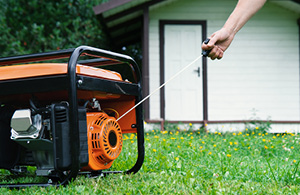
Portable generators are compact machines that provide electricity. They are useful during power outages, outdoor events, and on job sites. These devices run on gasoline, diesel, or propane. They have engines that convert fuel into electrical energy. Portable generators come in various sizes and power outputs. Some can power small appliances, while others can handle larger equipment.
Benefits Of Portable Generators
Portable generators offer many benefits. First, they provide a reliable source of power. This is crucial during emergencies when the main power supply is down. Second, they are easy to transport. Their compact size and wheels make them mobile. Third, they are versatile. You can use them for various applications, both indoors and outdoors.
Additionally, portable generators are cost-effective. They are cheaper than installing a permanent generator. They also save on electricity bills since you use them only when needed. Finally, they are user-friendly. Most models have simple controls and safety features. This makes them easy to operate even for beginners.
Common Uses
Portable generators have many uses. Here are some common ones:
- Home Backup: They provide power during outages. They keep essential appliances running, like refrigerators and lights.
- Construction Sites: They power tools and equipment. They are essential where there is no main power supply.
- Outdoor Events: They supply electricity for lighting, sound systems, and more. Ideal for weddings, parties, and concerts.
- Camping: They provide power for lights, fans, and cooking equipment. This makes camping more comfortable.
Portable generators also support remote work. They power laptops, routers, and other devices. This ensures productivity even in off-grid locations.
In summary, portable generators are valuable for many situations. They offer a reliable and flexible power solution.
Factors Affecting Run Time
Understanding the factors that affect the run time of a portable generator is crucial. Different elements can impact how long your generator can provide power. Two main factors are the fuel type and the generator load. Let’s explore these factors in detail.
Fuel Type
The type of fuel you use significantly affects the generator’s run time. Common fuel types include gasoline, diesel, and propane. Each has its unique properties and benefits:
| Fuel Type | Run Time | Pros | Cons |
|---|---|---|---|
| Gasoline | 8-12 hours |
|
|
| Diesel | 12-20 hours |
|
|
| Propane | 5-8 hours |
|
|
Generator Load
The load on the generator also affects its run time. The load is the amount of power the generator needs to supply. Running a generator at full load will consume more fuel, reducing the run time. Here are some key points to understand:
- Full Load: Consumes fuel quickly, reducing run time.
- Half Load: More efficient, extends run time.
- Idle Load: Minimal fuel consumption, longest run time.
To maximize run time, manage the load efficiently. Avoid running unnecessary appliances. Use energy-efficient devices. Regularly check and maintain the generator to ensure optimal performance.
Fuel Efficiency Tips
Running a portable generator efficiently can save fuel and extend its lifespan. By following some key tips, you can make the most of your generator’s fuel efficiency. These tips focus on proper maintenance, optimal load management, and smart usage practices.
Proper Maintenance
Regular maintenance keeps your generator running smoothly. Change the oil according to the manufacturer’s schedule. Clean or replace the air filter regularly. A clean filter ensures better combustion, saving fuel. Inspect the spark plug and replace it if worn out. Check the fuel lines for leaks or cracks. Proper maintenance ensures your generator uses fuel efficiently.
Optimal Load Management
Avoid overloading your generator. Running it at its maximum capacity can waste fuel. Instead, balance the load. Use only essential appliances and devices. Turn off devices when not needed. This helps the generator run more efficiently. Using a power strip can make managing loads easier. Remember, a well-managed load extends fuel life and reduces wear.

Credit: teagueelectric.com
Types Of Fuel
When running a portable generator, the type of fuel used greatly affects its run time. Different fuels offer various benefits and drawbacks. Understanding these differences can help you choose the best fuel for your needs.
Gasoline
Gasoline is one of the most common fuels for portable generators. It is widely available and easy to use. A gasoline-powered generator can run for about 8 to 12 hours on a full tank. The exact run time depends on the generator’s size and load.
Gasoline does have some downsides. It is highly flammable and has a shorter shelf life compared to other fuels. Storage can be a challenge because gasoline degrades over time.
Propane
Propane is another popular choice for portable generators. It burns cleaner than gasoline, reducing emissions. A propane generator can run for 8 to 12 hours on a standard 20-pound tank. This makes it a good option for longer power outages.
Propane has a longer shelf life and is safer to store. It is also less flammable than gasoline. However, propane tanks can be bulky and may require more storage space.
Diesel
Diesel fuel is known for its efficiency and durability. Diesel generators can run longer than gasoline or propane generators. On a full tank, they can operate for about 12 to 20 hours. This makes diesel a strong choice for extended use.
Diesel fuel has a longer shelf life and is less flammable than gasoline. However, diesel generators tend to be heavier and noisier. They may also require more maintenance.
Calculating Fuel Consumption
Understanding how long you can run a portable generator is crucial. It helps in planning for power outages or outdoor activities. A key factor is calculating fuel consumption. This involves understanding your generator’s fuel capacity and estimating its usage.
Understanding Fuel Capacity
Your generator’s fuel capacity impacts how long it can run. It is usually measured in gallons. Check your generator’s manual to find this information. Here’s a quick guide to common fuel capacities:
| Generator Size | Fuel Capacity (Gallons) |
|---|---|
| Small (up to 2000W) | 1-2 |
| Medium (2000W – 5000W) | 3-6 |
| Large (5000W and above) | 7+ |
Estimating Usage
Estimating usage involves knowing your generator’s fuel consumption rate. This is usually listed in gallons per hour (GPH). To find out how long your generator will run, follow these steps:
- Determine the fuel consumption rate (GPH).
- Check the fuel capacity (gallons).
- Divide the fuel capacity by the consumption rate.
For example, if your generator uses 0.5 GPH and has a 4-gallon tank:
Runtime = Fuel Capacity / Fuel Consumption Rate
Runtime = 4 gallons / 0.5 GPH
Runtime = 8 hours
This simple calculation helps in planning and ensures you are prepared. Always keep extra fuel handy for longer usage.

Credit: www.abt.com
Safety Considerations
Running a portable generator can be very useful during power outages. But, it is important to follow safety guidelines. This ensures you and your family remain safe. Let’s explore some key safety considerations.
Proper Ventilation
Generators produce carbon monoxide, a deadly gas. Proper ventilation is crucial to avoid poisoning. Always run the generator outdoors. Ensure it is at least 20 feet away from your home. Keep it away from windows, doors, and vents. This prevents exhaust fumes from entering your living space.
Using a generator indoors is extremely dangerous. Even in garages or basements, it poses a risk. Never run the generator in these areas. If you must use a generator during bad weather, consider using a canopy. This protects the generator from rain while allowing proper airflow.
Avoiding Overloads
Overloading a generator can cause damage and pose safety risks. Avoiding overloads is essential for safe operation. To prevent overloading, know the wattage of your generator. Calculate the total wattage of the devices you plan to run. Ensure this total is below the generator’s capacity.
Start with essential devices. Gradually add more, being mindful of the total load. Use the following table to help manage your load:
| Device | Wattage |
|---|---|
| Refrigerator | 600 |
| Television | 200 |
| Lights | 100 |
| Microwave | 1000 |
| Portable Heater | 1500 |
Always read the user manual for your generator. Follow the manufacturer’s recommendations. This ensures safe and efficient operation.
By following these safety considerations, you can run your portable generator safely. Proper ventilation and avoiding overloads are key steps. Stay safe and enjoy the benefits of your generator.
Extending Generator Life
Running a portable generator efficiently is crucial. Proper care extends its life. This involves regular maintenance and using quality fuel. These steps ensure your generator lasts longer and runs smoothly.
Scheduled Maintenance
Regular maintenance is key. Follow the manufacturer’s guidelines for best results. Below is a simple maintenance schedule:
| Task | Frequency |
|---|---|
| Oil Change | Every 50-100 hours |
| Air Filter Cleaning | Every 100 hours |
| Spark Plug Inspection | Every 200 hours |
Ensure to check the oil level before each use. Clean or replace the air filter regularly. Inspect the spark plug for wear and tear. These steps help in keeping the generator in good condition.
Quality Fuel
Using quality fuel is essential. It prevents engine issues. Always use fresh, clean fuel. Avoid old or contaminated fuel. This keeps the engine running smoothly.
Consider using fuel stabilizer. This helps keep the fuel fresh. Store fuel in a clean, sealed container. Protect it from moisture and contamination. This ensures the fuel remains effective.
Follow these simple steps to extend the life of your generator. Regular maintenance and quality fuel are key factors. They ensure your generator runs efficiently and lasts longer.

Credit: www.familyhandyman.com
When To Refuel
Refuel your portable generator after 8-12 hours of use. Check the fuel level regularly to avoid interruptions. Always follow the manufacturer’s guidelines for best performance.
Running a portable generator helps keep your essential appliances running during power outages. Knowing when to refuel is crucial for continuous operation. It also ensures your safety and the longevity of your generator.Signs Of Low Fuel
Understanding signs of low fuel helps you avoid unexpected shutdowns. One clear sign is the fuel gauge showing a low level. Some generators have an automatic low fuel indicator that alerts you. Another sign is the generator sputtering or running inconsistently.Safe Refueling Practices
Refueling a hot generator can be dangerous. Turn off the generator and let it cool for a few minutes. Use a proper fuel container to avoid spills. Always refuel in a well-ventilated area to prevent inhaling fumes. Keep flammable materials away from the generator during refueling. After refueling, check for any spills and clean them immediately. “`Frequently Asked Questions
How Long Can A Portable Generator Run Continuously?
A portable generator can run continuously for about 8-12 hours on a full tank. This depends on the model, fuel type, and load.
What Factors Affect Portable Generator Runtime?
Generator runtime is affected by the fuel type, load, generator efficiency, and tank capacity. Regular maintenance also plays a role.
Can I Run My Portable Generator Overnight?
Yes, you can run a portable generator overnight. Ensure it’s in a well-ventilated area to prevent carbon monoxide buildup.
How To Extend A Portable Generator’s Runtime?
To extend runtime, reduce the load, use a larger fuel tank, and maintain your generator regularly. Efficient fuel use also helps.
Conclusion
Understanding your portable generator’s runtime ensures safety and efficiency. Consider fuel type, load, and maintenance. Regular checks and proper usage extend its life. Always follow manufacturer guidelines. Preparedness helps during emergencies. With this knowledge, you can confidently use your generator.
Stay safe and powered up!